Selecting high-performance mesh fabric requires technical clarity and field-proven data. Without professional guidance, products often suffer premature tearing, poor ventilation, shape instability or non-compliance with market standards. Manufacturer-recommended mesh fabrics provide reliable solutions for apparel, outdoor equipment, industrial components and filtration systems. This guide presents verified specifications, performance metrics, category recommendations and sourcing practices based on industrial manufacturing standards.
1.Why Trust Manufacturer Recommended Mesh Fabrics
Manufacturers evaluate mesh materials under realistic conditions including stretching, washing, weather exposure, airflow and load-bearing tests. Their selections reflect production stability, cost efficiency, long-term durability and compliance with international regulations.
Value of Manufacturer Guidance: Manufacturer recommendations offer verified tensile strength, tear resistance and color fastness, certified safety and environmental performance, consistent quality suitable for mass production, and performance matched to real-world application requirements.
Problems Solved by Professional Mesh Selection: Professional mesh selection addresses insufficient ventilation and heat retention, deformation and loss of shape after use, inadequate structural strength for heavy-duty applications, and non-certified materials unsuitable for commercial distribution.
2026 Industry Trends: Demand focuses on breathability, durability, sustainability and certification. Recycled polyester, antibacterial treatments and 4-way stretch structures remain dominant in global manufacturing.
2.Classification of Mesh Fabrics by Manufacturer Standard
Manufacturers organize mesh materials by composition, structure, performance level and elasticity to support precise selection.
By Base Material: Polyester offers high dimensional stability, quick drying and cost-effectiveness; nylon provides high strength, a smooth surface and strong abrasion resistance; spandex delivers superior stretch and recovery with a soft handle; recycled and natural fibers support eco-friendly and brand-compliant production; and composite mesh delivers high-performance properties for industrial and outdoor use.
By Structure: Warp knit mesh is smooth, lightweight and ideal for apparel; weft knit mesh is soft, flexible and comfortable; 3D sandwich mesh features three-layer support and ventilation; and honeycomb mesh offers high structural integrity and optimized airflow.
By Performance Grade: Mesh materials are graded for daily use in light apparel, bags and linings, outdoor applications requiring UV resistance, tear strength and weather stability, industrial use demanding high durability and chemical resistance, and medical and hygiene products that must be non-toxic, safe and skin-friendly.
By Elasticity: Mesh is categorized by non-stretch for stable structure, 2-way stretch for linear flexibility, and 4-way stretch for multi-directional movement.
3.Top Mesh Fabrics Recommended by Manufacturers
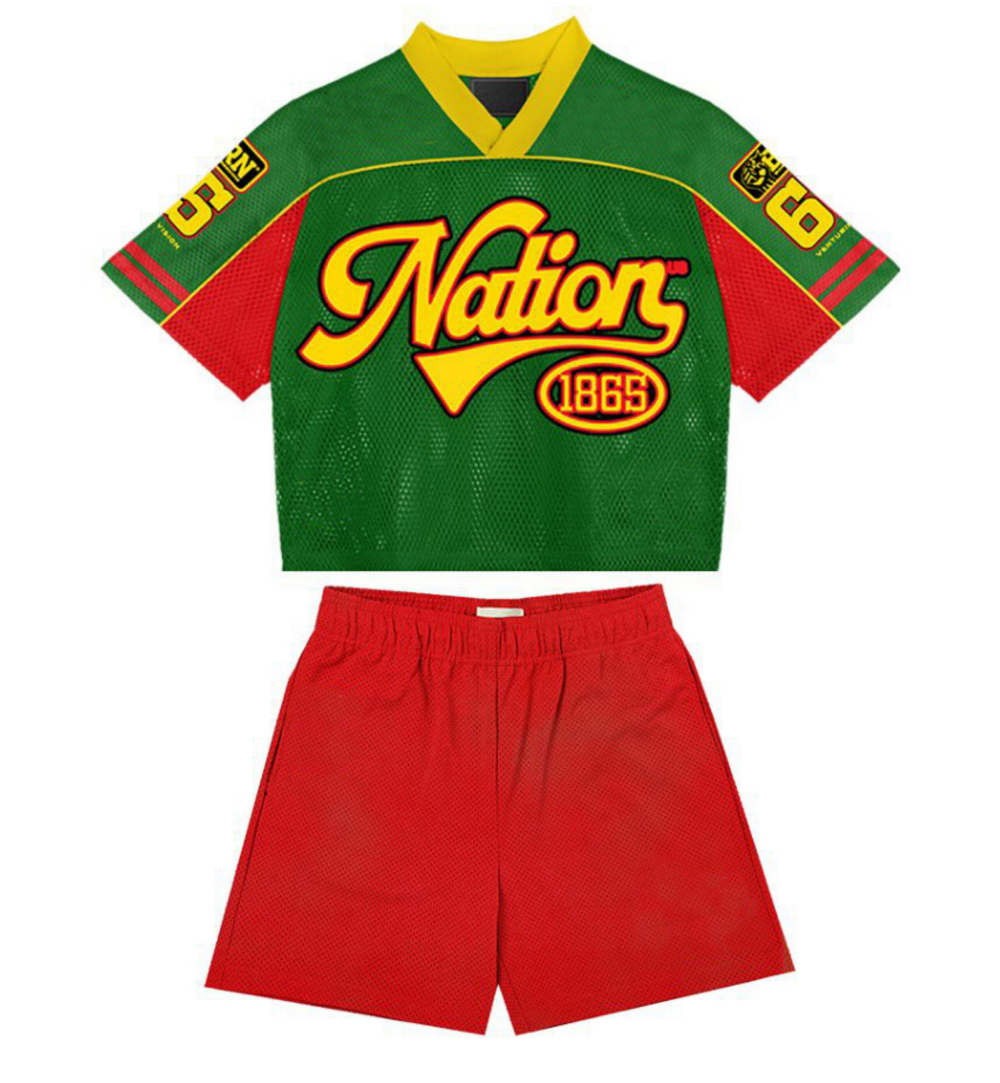
Polyester Bird-Eye Mesh: Suitable for sportswear, jerseys and linings, polyester bird-eye mesh is lightweight and highly breathable, supports fast moisture absorption and drying, delivers stable color fastness and wash performance, and is ideal for uniforms, active shirts and footwear linings.
Nylon Power Mesh: Used in shapewear, lingerie and support layers, nylon power mesh provides strong elastic recovery, is soft, comfortable and non-deformable, offers balanced support and fit, and is commonly applied in undergarments, sport bras and supportive apparel.
Honeycomb Mesh: Designed for outdoor, industrial and automotive use, honeycomb mesh features high structural strength and tear resistance, delivers excellent ventilation while remaining lightweight, is UV stabilized for extended outdoor service, and is applied in furniture, tents, safety components and vehicle parts.
Stretch Spandex Mesh: Suitable for activewear, dancewear and fashion garments, stretch spandex mesh provides 4-way stretch to support free movement, is soft and lightweight with versatile finishes, maintains consistent shape retention, and is used in yoga wear, outerwear and casual apparel.
4.Manufacturer Buying Guide
Define Application and Environment: Clarify usage conditions including indoor, outdoor, industrial or medical environments.
Match Material, Weight, Stretch and Structure: Select according to functional needs: ventilation, support, elasticity or durability.
Verify Certifications: Ensure compliance with OEKO-TEX, GRS, REACH and food-safe or medical standards as required.
Sample Testing: Test tensile strength, elongation, pilling, color fastness and wash performance before ordering.
Confirm Production Terms: Finalize MOQ, lead time, color consistency and packaging requirements.
Common Sourcing Errors: Over-reliance on price often leads to mesh that fails performance and certification standards; ignoring elastic recovery results in poor-quality stretch materials that deform quickly during use; incorrect pore size reduces either support or ventilation; and lack of certification puts fabrics at risk of rejection by brands and markets.
5.Application Matching Guide
Apparel: For apparel, sportswear benefits from bird-eye polyester and 4-way stretch mesh, lingerie and shapewear perform best with nylon power mesh, and casual wear uses lightweight knit mesh.
Outdoor: Outdoor applications such as backpacks and tents rely on honeycomb and UV-resistant mesh, footwear uses breathable lining mesh, and furniture uses durable 3D sandwich mesh.
Industrial and Filtration: Industrial and filtration uses include precision polyester or nylon mesh for filtration, structural stability mesh for automotive applications, and high-strength composite mesh for protection.
Medical and Hygiene: Medical and hygiene products such as masks and dressings use safe, non-irritating technical mesh.
6.Conclusion
Manufacturer-recommended mesh fabrics ensure consistent performance, durability and regulatory compliance. Correct mesh selection improves product quality, reliability and market competitiveness. By following industrial specifications, brands and producers can make confident sourcing decisions for apparel, outdoor, industrial and filtration applications.
Post time: Mar-23-2026


