The garment dye printing market for hoodies and tees is growing rapidly with global value set to expand significantly in the coming years. This growth stems from three key factors: rising demand for custom designs, an industry wide shift toward sustainable practices, and ongoing advancements in digital printing technology. For brands and designers success now means balancing creative vision with practicality selecting techniques that reflect consumer values fit production capabilities and match niche style preferences. This guide breaks down the top current trends stand out in the competitive hoodie and tee market.
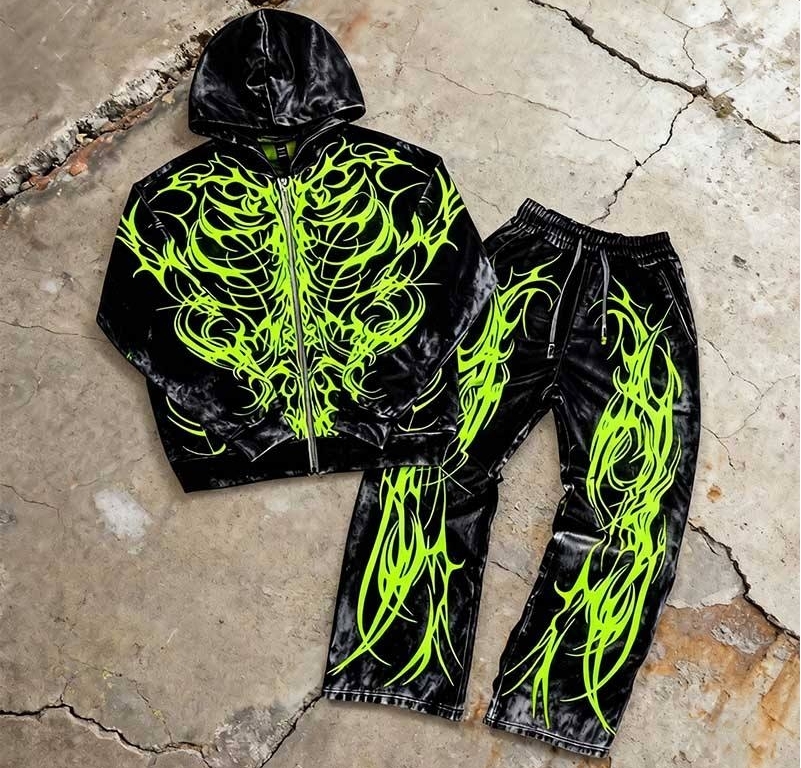
1.Core Garment Dye Printing Trends for Hoodies and Tees
Sustainability Driven Dye Printing: Sustainability has become a non negotiable factor in garment dye printing as most small businesses now adopt eco friendly practices to meet consumer expectations. Key advancements include water based inks replacing traditional plastisol options cutting water usage by 60 alongside anhydrous sublimation processes and bio based pigments like Nature Coatings BioBlack TX an FSC certified carbon negative black dye derived from wood waste. For hoodies which often use thicker cotton blends water based inks deliver a softer feel without sacrificing color vibrancy. Tees especially lightweight styles benefit from anhydrous printings quick turnaround and minimal environmental footprint. Brands should prioritize OEKO TEX certified inks to strengthen their sustainability credentials.
Digital Printing Dominance: Digital printing technologies DTG DTF and sublimation now lead the market fueled by the demand for small batch fast turnaround production. DTG printing works exceptionally well for cotton tees and custom orders with production cycles as short as 24 hours even for single units. DTF dyeing is ideal for mixed fabric hoodies offering cost competitiveness with traditional screen printing for batches over 50 units while supporting intricate designs. Sublimation remains a top choice for athletic wear favored by many streetwear brands for polyester hoodies due to its seamless color integration and long lasting results. Compared to screen printing digital methods reduce setup time by 80 and waste by 90 making them perfect for trend focused collections.
Textured and Tactile Finishes: Textured finishes are reshaping consumer preferences as young buyers increasingly prioritize designs that feel as good as they look. 3D puff print hoodies stand out for their durability withstanding dozens of washes while flocked tees add a plush dimension to casual styles. Metallic finishes applied via foil transfer complement lightweight tees with subtle shine striking a balance between boldness and wearability. For hoodies combining flocking with water based inks creates depth without added bulk while tees benefit from metallic accents on hemlines or logos. While textured techniques add 15-20 to production costs they boost retail margins by 30 thanks to their perceived value.
Nostalgic and Minimalist Aesthetics: Nostalgia and minimalism continue to converge driving demand for tonal prints and retro washes. Low contrast monochromatic designs align with Pantones Color of the Year Cloud Dancer a soft nature inspired white that serves as a versatile base for subtle patterns. Retro washes achieved through enzyme treatments and discharge printing recreate classic era vibes on hoodies with muted earth tones leading the way. Minimalist hoodie prints often feature small strategically placed designs on sleeves or chests catering to versatile office to street styling. Tees lean into oversized retro logos or faded graphics as consumers increasingly seek pieces that allow for unique self expression.
Hybrid Techniques: Hybrid printing merging screen printing with digital methods has seen strong growth as brands pursue both depth and efficiency. The most effective approach follows a one main one auxiliary rule: for hoodies pair screen printed bold outlines with DTG gradients to add dimensionality; for tees combine applique with fine embroidery for texture without heaviness. The screen+DTG combination excels for limited edition drops leveraging screen printings vibrancy for base layers and DTG precision for intricate details. This approach cuts production costs by 20 while elevating perceived quality making it a smart choice for both small brands and large retailers.
2.How to Choose the Right Dye Printing Technique for Your Niche
Selecting the right printing technique requires aligning with your target audiences preferences. Streetwear popular among buyers under 30 thrives on playful applique + puff print combinations for hoodies and bold DTF designs for tees. Fashion casual brands should opt for minimalist hoodie prints and tonal dyeing paired with Cloud Dancer or soft neutrals. Athletic hoodies demand sublimation + 3D breathable patterns while performance tees benefit from moisture wicking inks. Conducting fabric tests DTG for cotton sublimation for polyester DTF for blends ensures longevity and customer satisfaction.
3.Cost Control and Production Efficiency Tips
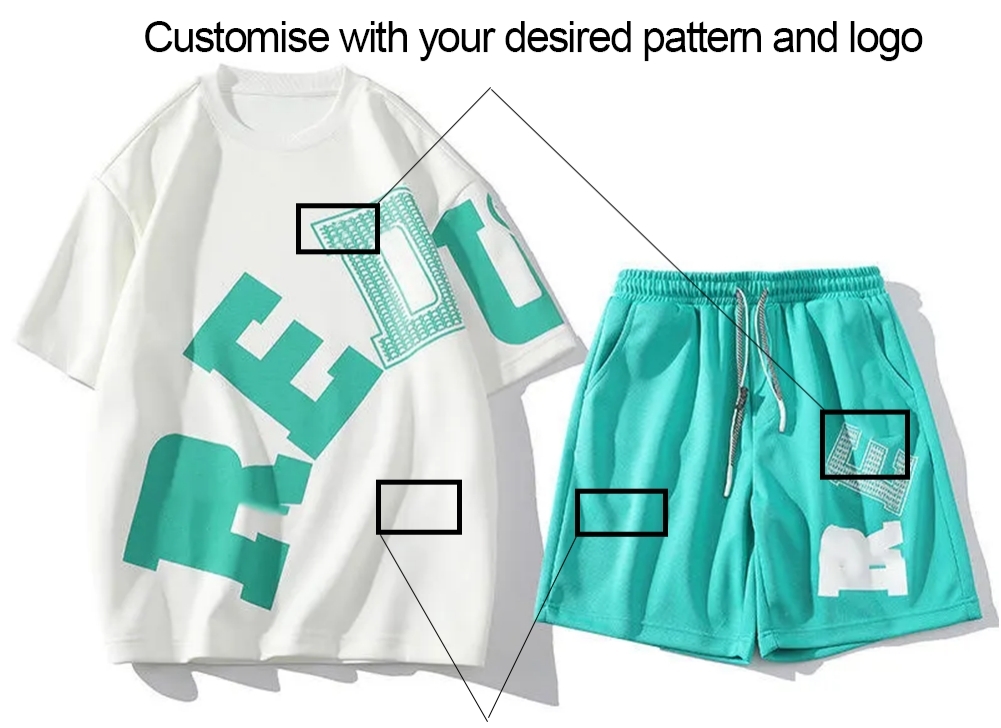
For small businesses success in garment dye printing hinges on workflow optimization. Batch preprocessing fabrics such as pre treating cotton tees in bulk reduces setup time by 35. Simplify hybrid techniques by avoiding overcomplicating designs with more than two processes. For cost effective DTF printing partner with suppliers offering bulk ink discounts. For hoodies prioritize single color textured finishes over multi layered designs to cut labor costs. These strategies can boost gross margins to 50 or more while maintaining quality and sustainability standards.
4.The Future of Garment Dye Printing for Hoodies and Tees
The market is on track for steady growth in the years ahead with three trends leading the way. AI generated print designs will streamline customization enabling brands to create on demand patterns tailored to niche audiences. Next generation anhydrous processes will further reduce environmental impact with zero water technologies moving into mainstream production. Smart fabric printing integrating conductive inks for heated hoodies or moisture responsive tees will blur the line between fashion and function. Color wise brands should stock Cloud Dancer warm yellow and terracotta to align with leading palettes.
5.Conclusion
To thrive in the coming years brands must embrace sustainability digital innovation textured finishes and niche specific strategies. The winning formula combines practical decisions like choosing DTF for mixed fabric hoodies or DTG for custom tees with creative experimentation such as hybrid techniques or retro modern aesthetics. Start by testing trending colors and small batch hybrid designs then scale the processes that resonate most with your audience. By focusing on best practices and aligning with emerging trends hoodie and tee brands can capture market share while building loyal value aligned customer bases.
Post time: Feb-04-2026


