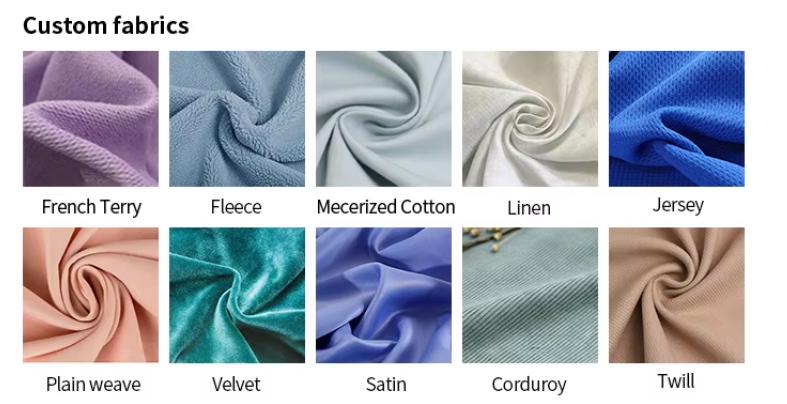
Streetwear is often recognized by its bold graphics, oversized silhouettes, and strong cultural influence. But behind every successful streetwear collection lies a crucial element that many people overlook: fabric. The choice of material doesn’t just affect how clothes look — it defines how they feel, perform, and connect with the wearer’s lifestyle.
In modern streetwear, fabric selection has become a creative tool as important as design itself.
Fabric Sets the Tone of the Collection
Every streetwear collection starts with a mood or concept. Fabric plays a major role in translating that idea into something physical. Heavyweight cotton gives a solid, structured feel that matches minimalist and vintage-inspired streetwear. Lightweight mesh or nylon creates a sporty and technical vibe often seen in techwear and athletic styles.
The texture of the fabric also affects how a piece is perceived. Brushed fleece suggests comfort and warmth. Washed denim delivers a rugged, worn-in character. Smooth polyester blends can give a clean, futuristic look. Before a graphic or logo is even added, fabric already tells part of the story.
Comfort and Wearability Matter More Than Ever
Streetwear is designed for real life. People wear it to skate, walk, travel, hang out, and express themselves. That’s why fabric comfort is essential. Breathable cotton blends, soft jersey knits, and flexible spandex mixes allow movement and all-day wear.
The wrong fabric can ruin even the best design. A hoodie that feels scratchy or a jacket that doesn’t breathe won’t become part of someone’s daily rotation. Designers now carefully balance softness, stretch, weight, and durability to make pieces that feel as good as they look.
Durability Shapes Design Decisions
Streetwear isn’t delicate. It’s built for active, fast-moving lifestyles. Fabrics like heavyweight French terry, ripstop nylon, and reinforced denim help garments last longer, even with frequent wear.
Durable fabric choices also influence the construction of a collection. Designers may add extra seams, double stitching, or panel construction to match the strength of the material. This approach makes garments feel premium and intentional instead of disposable.
Seasonal Fabrics Define the Drop
Fabric selection often changes with the season. Summer streetwear collections favor breathable cotton, mesh, and lightweight twills to keep wearers cool. Winter drops focus on fleece, wool blends, quilted fabrics, and padded materials for warmth and structure.
Transitional fabrics like mid-weight terry or layered jersey help build fall and spring collections. These choices shape the overall silhouette of the collection, from slim and airy to oversized and insulated.
Technical Fabrics Are Redefining Streetwear
Modern streetwear is heavily influenced by sportswear and outdoor gear. Waterproof membranes, windproof nylons, moisture-wicking fabrics, and stretch shells are now common in streetwear collections.
These technical fabrics allow designers to add functional details like hidden pockets, adjustable hems, ventilation panels, and modular elements. This trend has pushed streetwear beyond styling into performance-ready fashion.
Sustainability Is Becoming a Fabric Priority
More brands are making conscious choices about fabrics. Organic cotton, recycled polyester, bamboo fibers, and deadstock materials are shaping a new generation of collections that focus on both style and responsibility.
Eco-friendly fabrics often inspire natural color palettes, minimal dye processes, and raw textures. For many modern streetwear labels, sustainability is no longer a marketing feature — it’s a core design principle.
Fabric Dictates How Graphics and Prints Work
Graphics are a major part of streetwear, but fabric determines how those graphics appear. Screen printing works best on smooth, stable cotton. Puff prints and embroidery require thicker fabrics for structure. Sublimation and digital prints are more effective on polyester blends.
Because of this, designers select fabricbeforedeciding on certain graphic techniques. The material controls how bold, textured, or subtle the final visual impact will be.
Conclusion
Fabric choices shape every part of a streetwear collection — from comfort and durability to visual identity and emotional connection. They influence how a piece hangs, how it moves, how long it lasts, and how people feel when they wear it.
Streetwear isn’t just built from trends and graphics. It’s built from fabric, and the right material can turn a simple idea into the next iconic drop.
Post time: Nov-28-2025


