In the global apparel industry, bulk screen print orders are a daily reality for many factories. From brand launches and promotional campaigns to corporate uniforms and event merchandise, large-volume screen printing requires far more than fast machines. Factories must balance speed, consistency, cost control, and quality—often under tight deadlines. Successfully supporting bulk screen print orders depends on well-organized systems, experienced teams, and practical production strategies developed through years of hands-on work.
Screen Print Production Planning for Large-Volume Orders
Every bulk screen print project starts with planning. Before production begins, factories review artwork files, garment styles, color requirements, and order quantities in detail. Clear production planning helps prevent mistakes that become costly at scale.Factories typically divide bulk screen print orders into structured stages, including screen preparation, test printing, full production runs, curing, and inspection. Order management systems allow teams to track sizes, colors, and delivery schedules accurately. For efficiency, factories often group similar screen print designs or ink colors together, reducing setup changes and saving time. This level of planning keeps production smooth and ensures deadlines remain realistic.
Screen Print Equipment and Automation for High Output
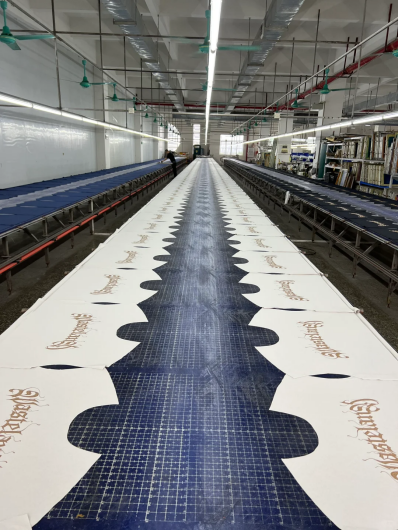
To support bulk screen print orders, factories rely on industrial screen printing equipment designed for long production runs. Automatic and semi-automatic presses are common, allowing hundreds of garments to be printed per hour with stable pressure and alignment.Automation extends beyond the printing press. Conveyor dryers, curing tunnels, and automated stacking systems help maintain consistent curing temperatures and reduce manual handling. These tools are especially important for bulk screen print production, where even small inconsistencies can affect thousands of pieces. With the right equipment in place, factories can increase output while keeping print quality uniform from start to finish.
Skilled Teams Managing Screen Print Processes
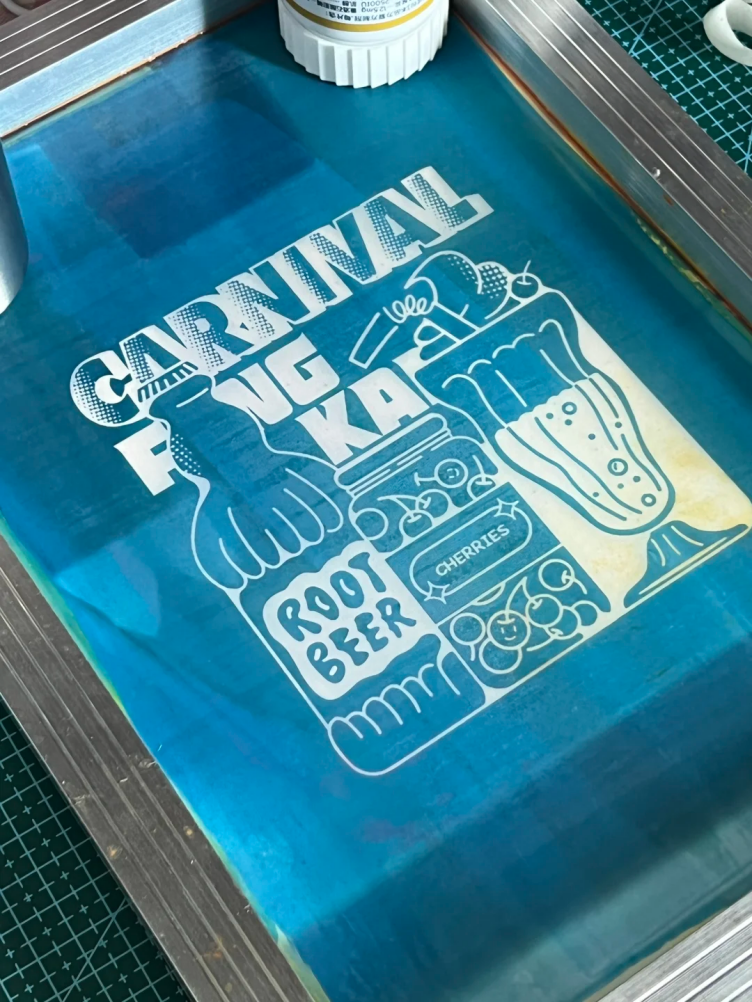
Despite advanced machinery, screen print production still depends heavily on skilled workers. Experienced technicians handle screen coating, exposure, ink mixing, and press setup. Their practical knowledge helps prevent common issues such as misalignment, uneven ink coverage, or color variation.For bulk screen print orders, factories follow standardized operating procedures developed through repeated production experience. Detailed print specifications—such as mesh count, ink ratios, squeegee pressure, and curing temperatures—are shared across teams and shifts. Skilled operators continuously monitor prints during production and make small adjustments as needed, ensuring consistency across the entire order.
Screen Print Quality Control and Consistency Checks
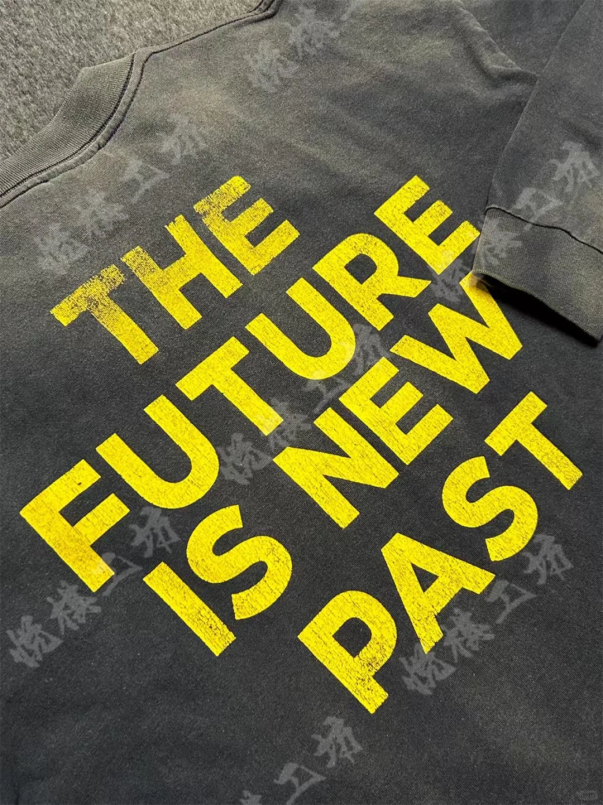
Quality control plays a critical role in bulk screen print production. Factories cannot rely on final inspection alone; checks are built into multiple stages of the process. Initial samples are approved before full production begins to confirm color accuracy and print placement.During production, random sampling helps identify issues early, such as fading opacity or registration shifts. After printing, garments are inspected for curing quality, surface feel, and durability. Many factories perform stretch tests and wash tests to ensure screen print designs will hold up in real-world use. Strong quality control protects both the factory and the client by reducing rework and returns.
Screen Print Supply Chain and Delivery Coordination
Bulk screen print orders depend on reliable supply chain coordination. Factories must secure blank garments, inks, screens, and packaging materials in advance. Long-term supplier relationships help ensure material consistency and stable lead times.Logistics planning is equally important. Production schedules are aligned with shipping dates, especially for overseas clients or seasonal launches. Clear communication between production, quality control, and logistics teams ensures finished screen print orders are packed correctly and shipped on time. Efficient coordination allows factories to handle large volumes without compromising delivery reliability.
Conclusion
Supporting bulk screen print orders is not just about printing at scale—it is about building reliable systems that work under pressure. From planning and equipment to skilled labor and quality control, each part of the process plays a role in delivering consistent results.Factories that understand bulk screen print production invest in experience-driven workflows rather than shortcuts. For brands and businesses, working with such factories means dependable quality, predictable timelines, and fewer production risks. Behind every successful large-scale screen print order is a factory that knows how to turn volume into consistency—one garment at a time.
Post time: Dec-29-2025


