In today’s fast-moving apparel market, flexibility has become just as important as scale. More brands—especially startups and independent labels—are no longer willing to commit to large production volumes before understanding real market demand. This shift has pushed manufacturers to rethink traditional production models. Among the product categories benefiting most from this change are mesh shorts, a staple in sportswear, streetwear, and athleisure collections.
Low MOQ (Minimum Order Quantity) mesh shorts allow brands to test ideas, introduce limited collections, and respond quickly to trends. Behind this capability is a growing number of factories that have adjusted their operations, sourcing strategies, and pricing systems to better serve smaller orders. Understanding how these factories operate offers valuable insight into the future of apparel manufacturing.
Flexible Production Lines Make Low MOQ Mesh Shorts Practical
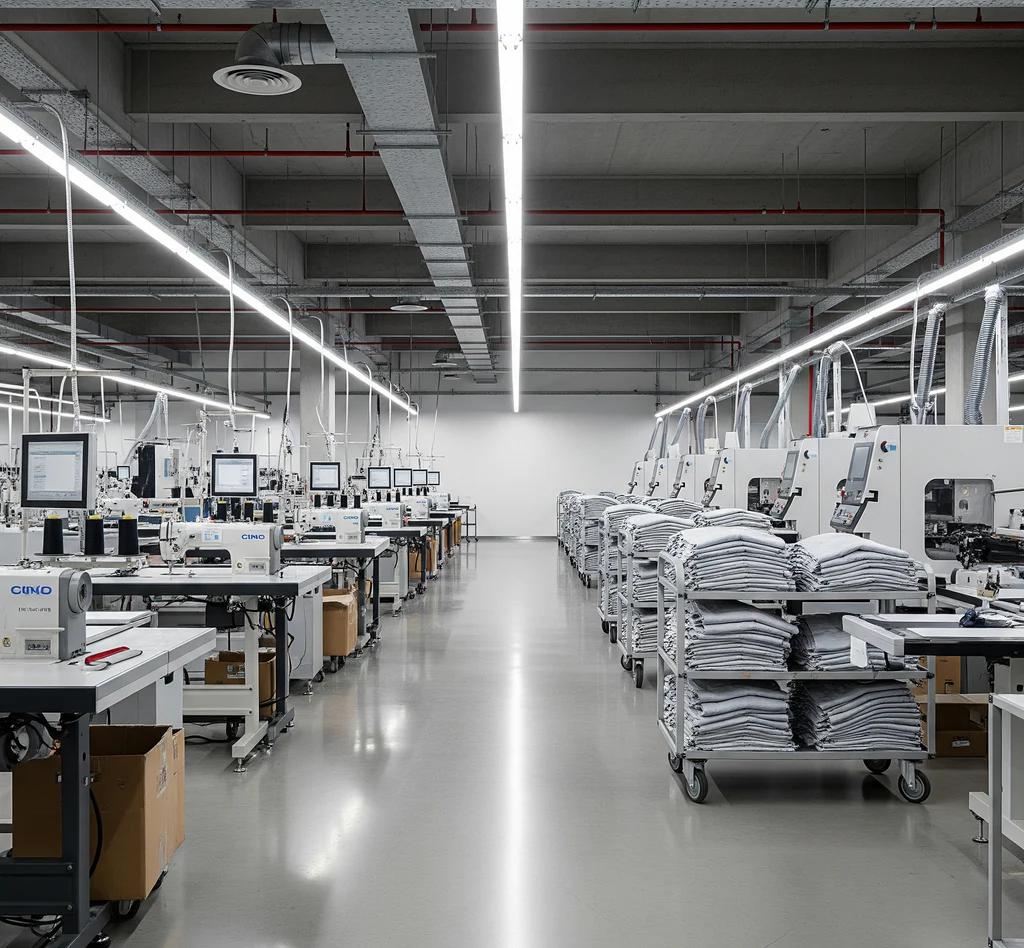
Factories that support low MOQ mesh shorts typically rely on flexible production lines rather than rigid, single-style workflows. In the past, many factories were designed for long runs of one product, which made small orders inefficient and expensive. Today, modular production setups are becoming more common.In a modular system, each workstation focuses on a specific process, such as sewing waistbands, attaching mesh panels, or finishing hems. These stations can be reconfigured quickly when switching between different mesh shorts styles. This reduces downtime and keeps productivity high, even when order quantities are small.Digital cutting and automated spreading machines further improve efficiency. Once patterns are uploaded, the same equipment can handle multiple styles and sizes in one session. This means factories do not need large volumes to justify setup time, making low MOQ mesh shorts commercially viable.For brands, this flexibility translates into faster turnaround times and more freedom to experiment with silhouettes, pocket placements, and construction details.
Smart Fabric Sourcing Supports Low MOQ Mesh Shorts
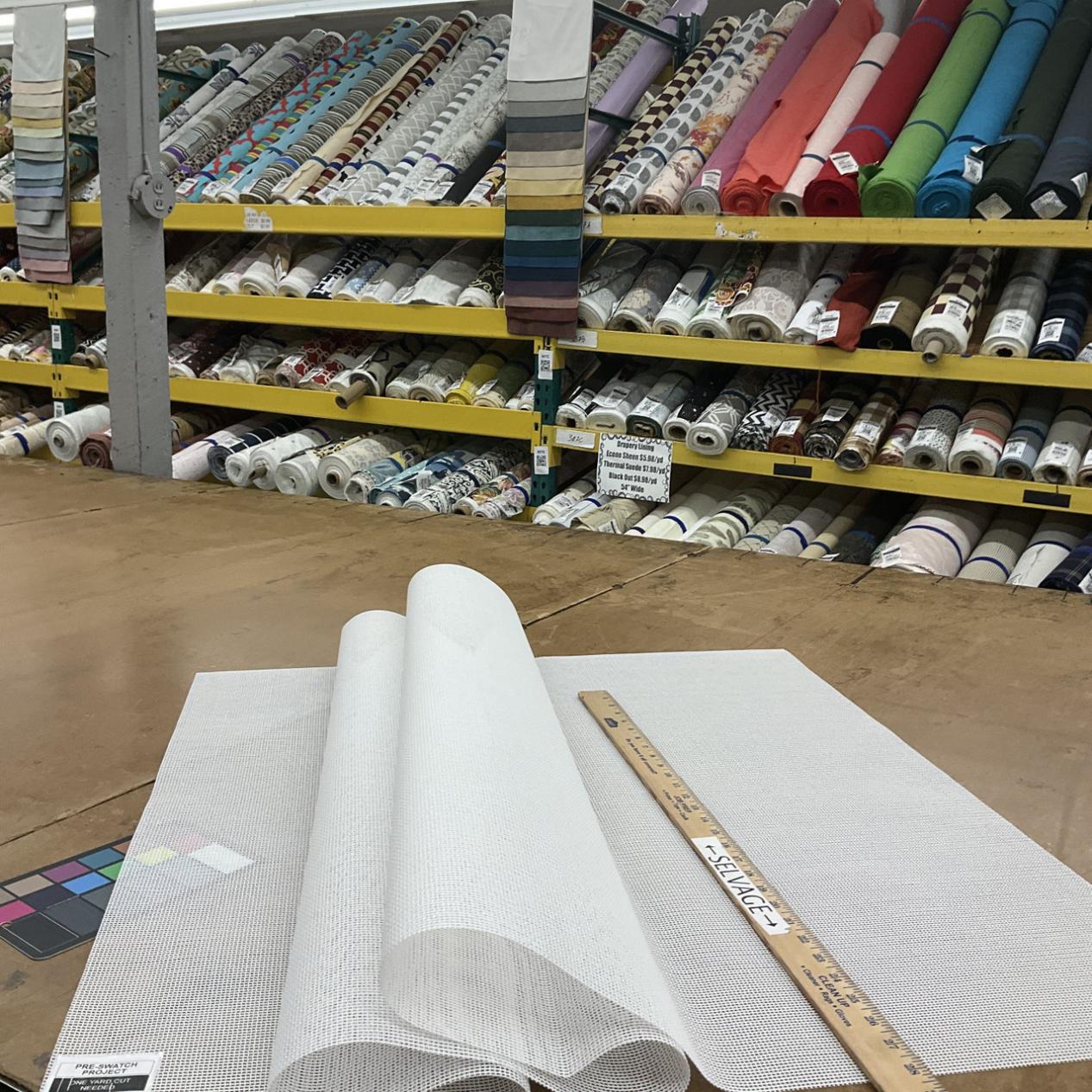
Fabric sourcing plays a critical role in keeping minimums low. Factories experienced in producing low MOQ mesh shorts often work closely with textile mills and stock fabric suppliers. Instead of relying only on custom-developed fabrics, they maintain access to a wide selection of ready-to-use mesh materials.These can include polyester mesh, recycled mesh, lightweight athletic mesh, and heavier basketball-style mesh. Because these fabrics are already in stock, factories can purchase smaller quantities without triggering high minimum requirements from mills.Some factories also keep their own fabric inventory for commonly requested materials. This allows them to start production almost immediately and reduces lead times. When a specific fabric is unavailable in small quantities, sourcing teams may suggest alternatives with similar performance and appearance, helping brands achieve the desired look without increasing order size.This sourcing flexibility is a key reason why low MOQ mesh shorts are now more accessible than ever.

Efficient Sampling Systems Enable Low MOQ Mesh Shorts
Sampling is often where small brands feel the most pressure, both in cost and time. Factories that specialize in low MOQ mesh shorts invest heavily in efficient sampling systems to streamline this stage.Pattern makers use digital software to create and adjust patterns quickly. Fit changes, measurement updates, and design tweaks can be implemented within hours rather than days. Once a sample is approved, the same digital files move directly into production, ensuring consistency.Many factories also operate sample-to-production workflows. In this model, the approved sample becomes the first production unit, eliminating the need for additional setup. This approach reduces waste and keeps costs under control.For brands, faster and more affordable sampling lowers the barrier to launching new mesh shorts designs. It also encourages creativity, as brands can refine ideas without worrying about excessive development expenses.
Transparent Pricing Helps Manage Low MOQ Mesh Shorts Costs
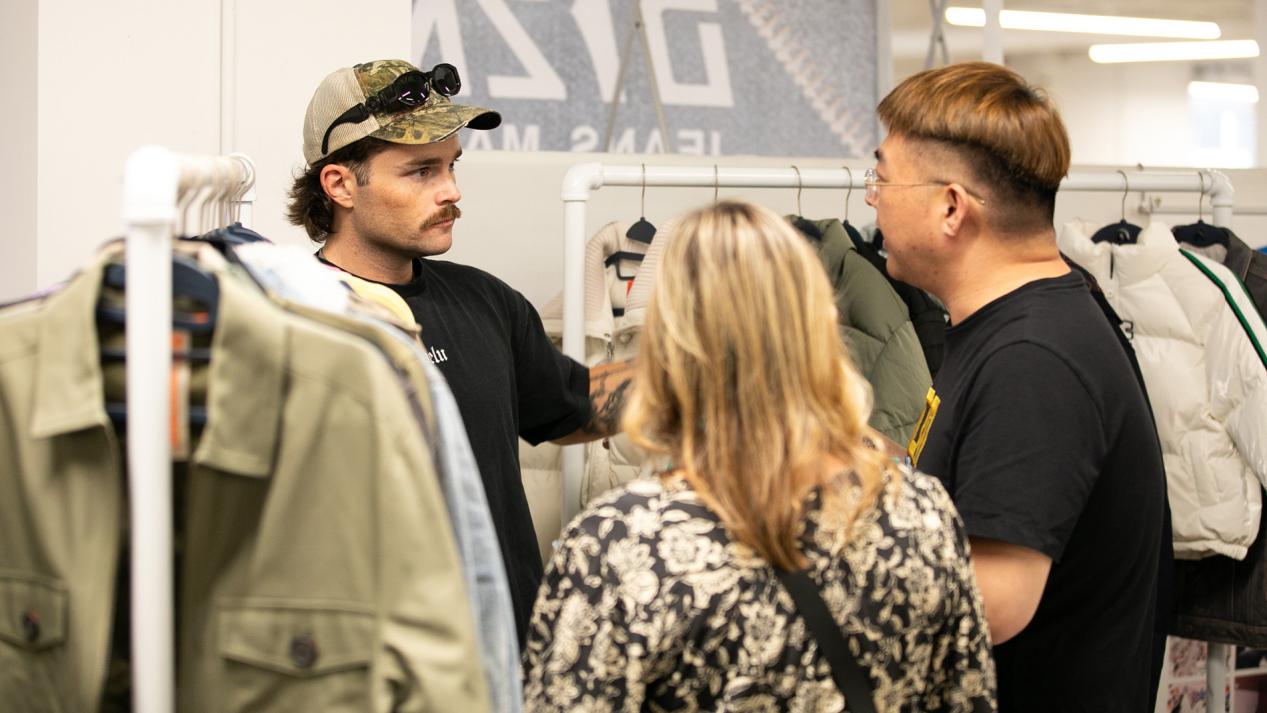
Pricing for low MOQ mesh shorts is often structured differently from traditional bulk manufacturing. Factories that cater to smaller orders typically provide clear cost breakdowns covering fabric, trims, labor, and finishing.
This transparency allows brands to see how design choices impact total cost. For example, switching to a simpler waistband construction or standard drawcord can reduce labor time and lower the final price.
Some manufacturers also offer tiered pricing models. A brand may start with a small order and receive better pricing on future reorders as volumes increase. This approach supports brand growth while encouraging long-term cooperation.
By spreading production across multiple low MOQ projects from different clients, factories can maintain steady workflow and keep pricing competitive.
Conclusion
Low MOQ mesh shorts are becoming an essential offering in modern apparel manufacturing. Factories that embrace flexible production lines, smart fabric sourcing, efficient sampling systems, and transparent pricing models are helping brands operate with greater agility.For emerging labels, this means lower risk, faster market entry, and more room to test ideas. For established brands, it provides a way to launch capsule collections and respond quickly to changing trends.As the industry continues to move toward smaller batches and faster cycles, factories that support low MOQ mesh shorts will play a central role in shaping the next generation of apparel production.
Post time: Feb-06-2026


