In the competitive sportswear industry, color consistency plays a crucial role in brand identity and consumer satisfaction. With rising demand and larger production scales, ensuring consistent color in tracksuits has become a key challenge for suppliers.
The Importance of Color Consistency
Color consistency is vital for maintaining a brand’s image. Consumers expect uniform color in mass-produced products, and any variation can affect brand loyalty and sales. Ensuring every tracksuit matches the intended color is essential to meet these expectations.
Challenges in Achieving Color Consistency
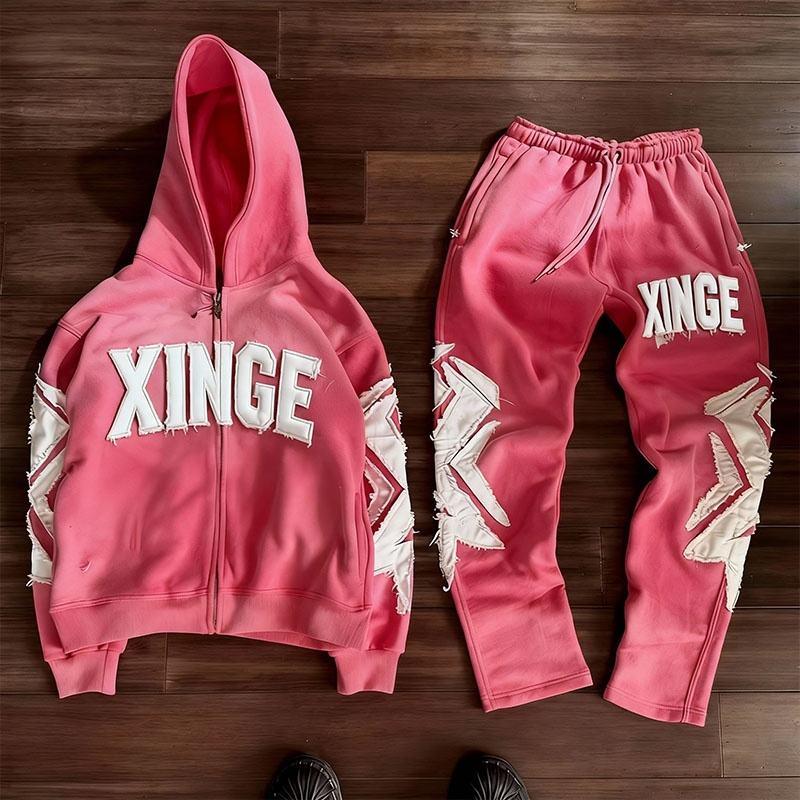
Several factors make it challenging to maintain color consistency in sportswear, including variations in dye batches and differences in fabric material. These can lead to slight color discrepancies that affect product quality and consumer perception.
Methods to Ensure Color Consistency
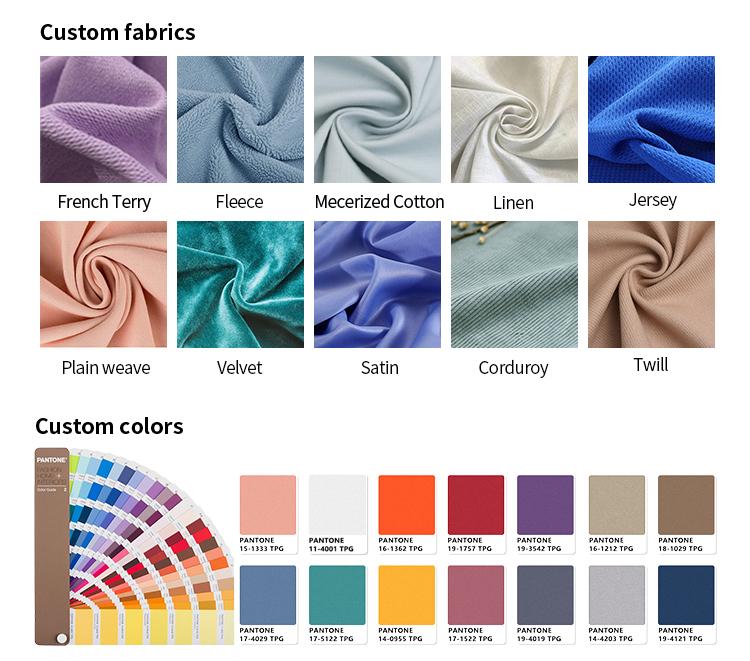
To overcome these challenges, suppliers use standardized dyeing processes and color card comparisons. They also perform frequent quality checks during production using advanced color detection technology. Many suppliers are adopting automation and AI systems to improve accuracy and efficiency in color matching.
Color Consistency and Brand Reputation
Ensuring color consistency is directly tied to brand reputation. Consumers expect consistent colors, and any deviation can lead to dissatisfaction. Brands recognize that maintaining color uniformity is essential for both quality control and customer loyalty.
Future Trends
As technology evolves, the methods for ensuring color consistency are becoming more sophisticated. Suppliers are focusing on sustainable dyeing techniques and energy-efficient processes, driven by consumer demand for eco-friendly products.
Conclusion
Ensuring color consistency in tracksuits is a complex but crucial task for suppliers. With advancements in technology and quality control, the industry is moving toward more efficient and environmentally conscious production methods, meeting both consumer expectations and sustainability goals.
Post time: Feb-05-2026


