In 2026, the apparel industry is operating in a very different environment from just a few years ago. Supply chains are more transparent, buyers are more informed, and competition is more global than ever. For fashion brands, retailers, and private-label businesses, finding a reliable clothing supplier is no longer a simple sourcing task—it is a strategic decision that can shape brand growth, customer trust, and long-term stability.From small emerging labels to established international brands, companies are reassessing what reliability truly means. Cost still matters, but it is no longer the primary factor. Instead, consistency, accountability, and adaptability are defining the strongest supplier relationships in today’s market.
Redefining What a Reliable Clothing Supplier Means in 2026
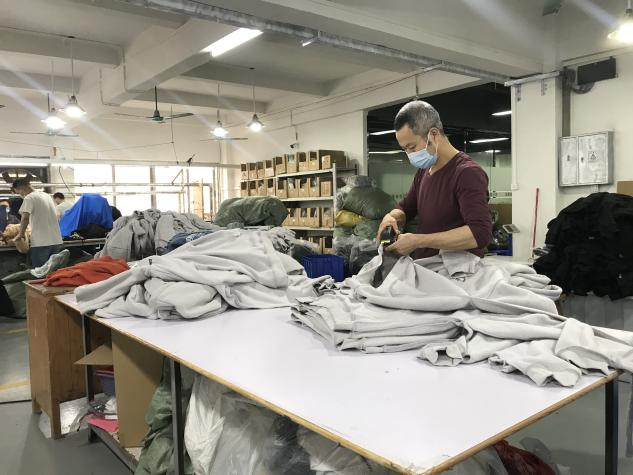
The idea of a reliable clothing supplier has evolved significantly. In the past, reliability was often associated with fast production and low minimum order quantities. While those elements remain relevant, they are no longer sufficient on their own.In 2026, reliability is closely tied to transparency and professionalism. Buyers expect clear communication about materials, production timelines, and potential risks. A reliable clothing supplier is one that can deliver consistent quality across multiple orders, not just a single successful sample run. Factories that invest in internal quality control systems and skilled production teams tend to outperform those that rely solely on speed or pricing advantages.
How Technology Helps Identify a Modern Clothing Supplier
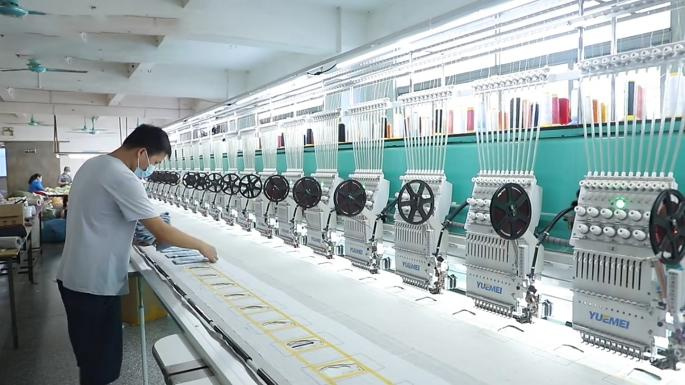
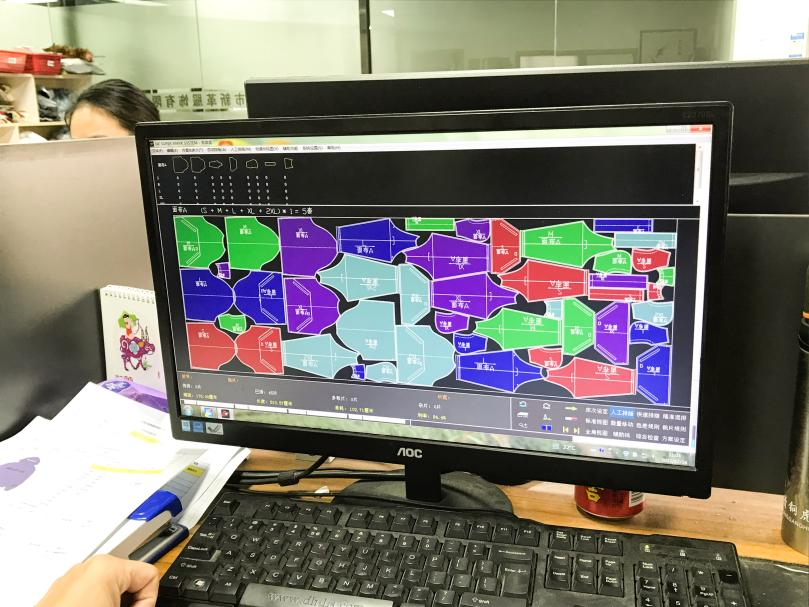
Digital transformation has changed how brands evaluate a clothing supplier. Many manufacturers now use digital pattern-making, virtual sampling, and production management systems that allow buyers to track progress more accurately. These tools reduce misunderstandings and help avoid costly revisions later in the process.When assessing a potential clothing supplier, their use of technology often reflects their overall management standards. Suppliers who embrace modern systems are usually more organized, more responsive, and better prepared to scale with a brand’s growth. In contrast, outdated workflows can lead to delays, inconsistent sizing, and communication gaps that affect the final product.
Why Sustainability Defines a Trustworthy Clothing Supplier
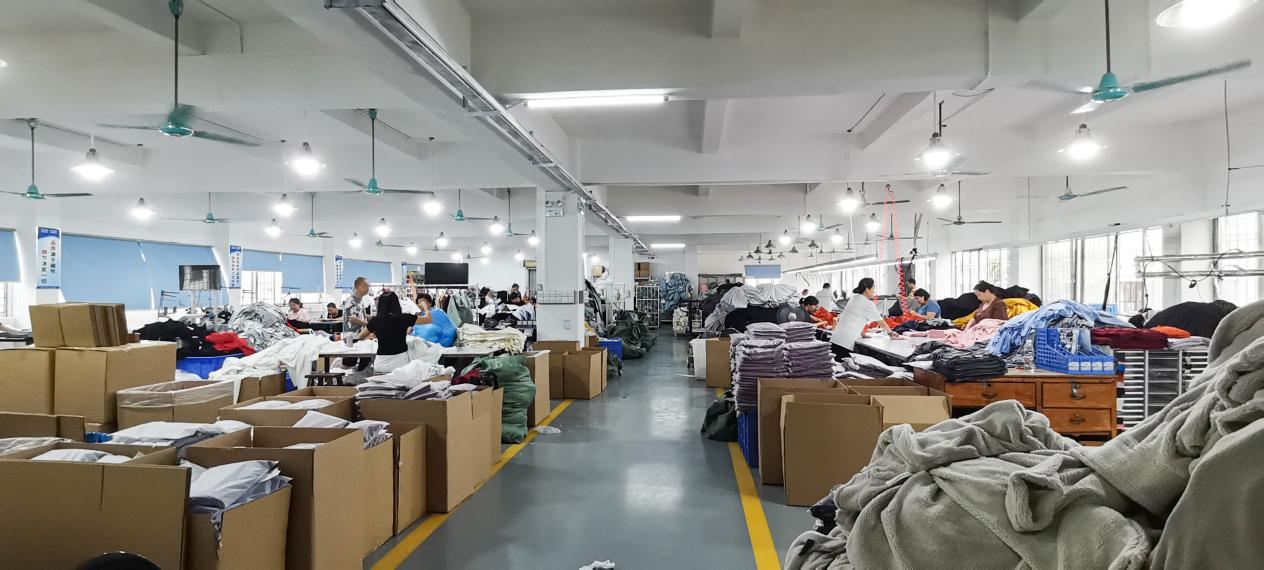
Sustainability has moved from a marketing advantage to a basic expectation. In 2026, brands are under increasing pressure to work with a clothing supplier that follows responsible production practices. This includes ethical labor conditions, responsible material sourcing, and efforts to reduce environmental impact.However, sustainability is not just about certifications. A reliable clothing supplier should be willing to explain their processes openly, from fabric sourcing to waste management. Buyers are increasingly drawn to suppliers who are honest about their limitations while actively working to improve. Long-term trust is built through transparency, not perfection.
Communication and Flexibility as Core Clothing Supplier Strengths
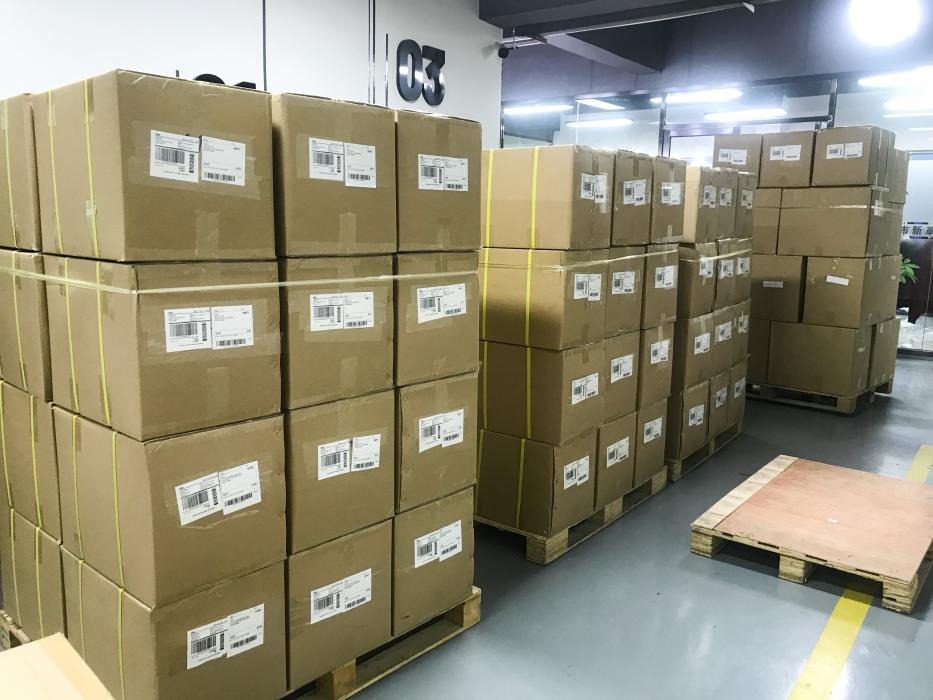
Strong communication remains one of the most important qualities of a reliable clothing supplier. Clear timelines, accurate updates, and prompt responses help prevent small issues from becoming serious problems. In a global industry, misunderstandings can be costly, making effective communication a critical skill rather than a soft benefit.Flexibility is equally important. Fashion trends shift quickly, and market demand can change with little warning. A dependable clothing supplier understands this reality and works with clients to adjust production plans when reasonable. Suppliers who are solution-oriented rather than rigid are far more valuable partners in an unpredictable market.
Building Long-Term Value With the Right Clothing Supplier
Experience and reputation still matter when choosing a clothing supplier, but long-term potential is just as important. Brands should look beyond short-term orders and consider whether a supplier is capable of growing with them. Trial orders, references, and factory visits—whether virtual or in person—remain effective ways to assess reliability.The most successful partnerships are built on mutual respect and shared goals. When a clothing supplier understands a brand’s positioning, quality standards, and target market, collaboration becomes smoother and more productive. Over time, this relationship can lead to better efficiency, improved product development, and stronger market competitiveness.
Conclusion
Finding a reliable clothing supplier in 2026 requires a thoughtful and informed approach. The industry now values transparency, sustainability, and adaptability as much as pricing and production speed. Brands that take the time to evaluate suppliers carefully—and invest in long-term partnerships—are better positioned to navigate market uncertainty and build lasting success. In a rapidly changing fashion landscape, the right clothing supplier is not just a vendor, but a strategic ally for the future.
Post time: Dec-31-2025


