Linen continues to play a central role in shaping summer fashion in 2026, driven by changing consumer preferences and a growing focus on material quality. Traditionally associated with vacation wear and relaxed settings, linen is now being repositioned as a versatile fabric suitable for a wider range of occasions. Its natural breathability, lightweight feel, and understated appearance make it particularly relevant in today’s market, where comfort and practicality are increasingly valued alongside aesthetics.
Linen relaxed tailoring is redefining modern summer wardrobes
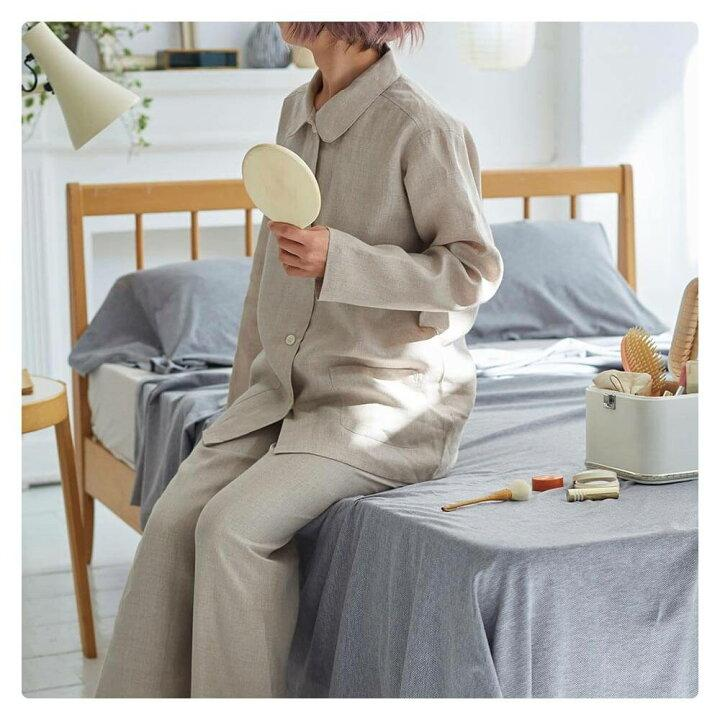
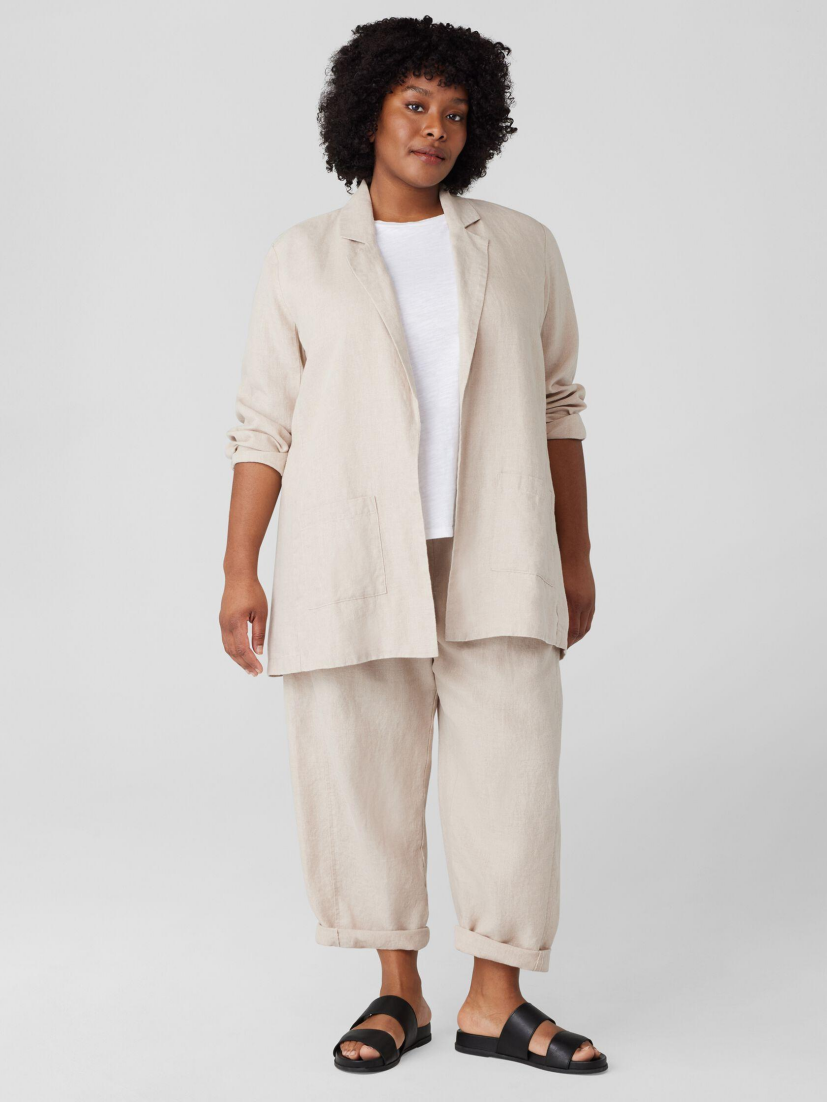
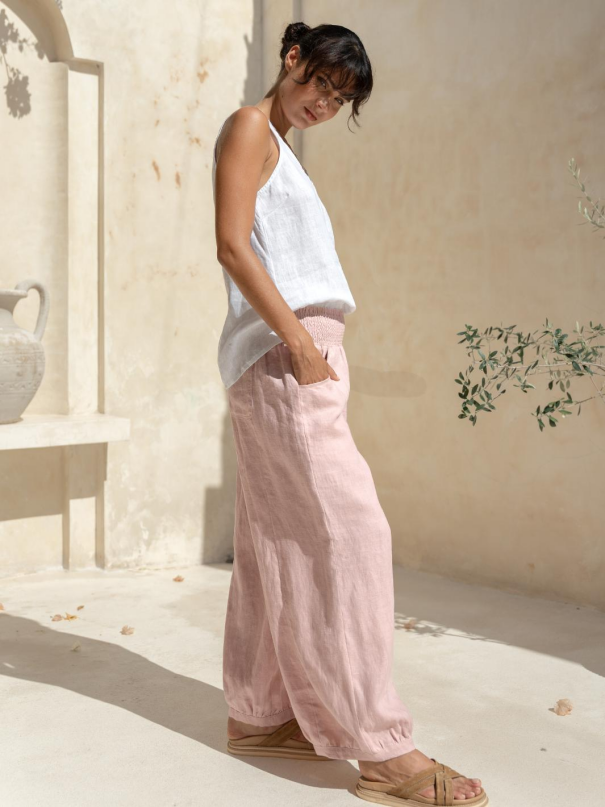
One of the most noticeable developments this season is the rise of linen in relaxed tailoring. Designers and brands are incorporating linen into structured yet comfortable silhouettes such as oversized shirts, soft blazers, and wide-leg trousers. These garments maintain a clean and refined look while offering the ease of movement that consumers expect from summer clothing. Matching linen sets are also gaining popularity, providing coordinated outfits that are simple to style and suitable for both casual and semi-formal environments. This shift reflects a broader movement toward clothing that balances form and function without compromising on comfort.
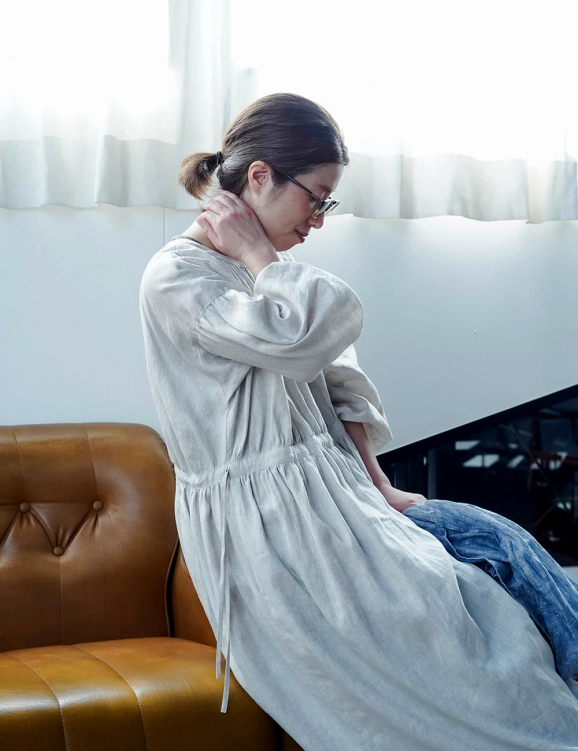
Linen natural color palettes reflect a shift toward subtlety
Color direction in linen apparel is moving toward more muted and natural tones. Shades such as off-white, beige, sand, olive, and clay are widely used, along with soft, washed pastels. These colors complement the organic texture of linen and create a calm, effortless visual effect. Compared to brighter hues, natural tones are easier to integrate into everyday wardrobes and tend to have longer commercial lifecycles. This approach also aligns with consumer demand for timeless pieces rather than short-term trend items, reinforcing linen’s position as a reliable summer fabric.
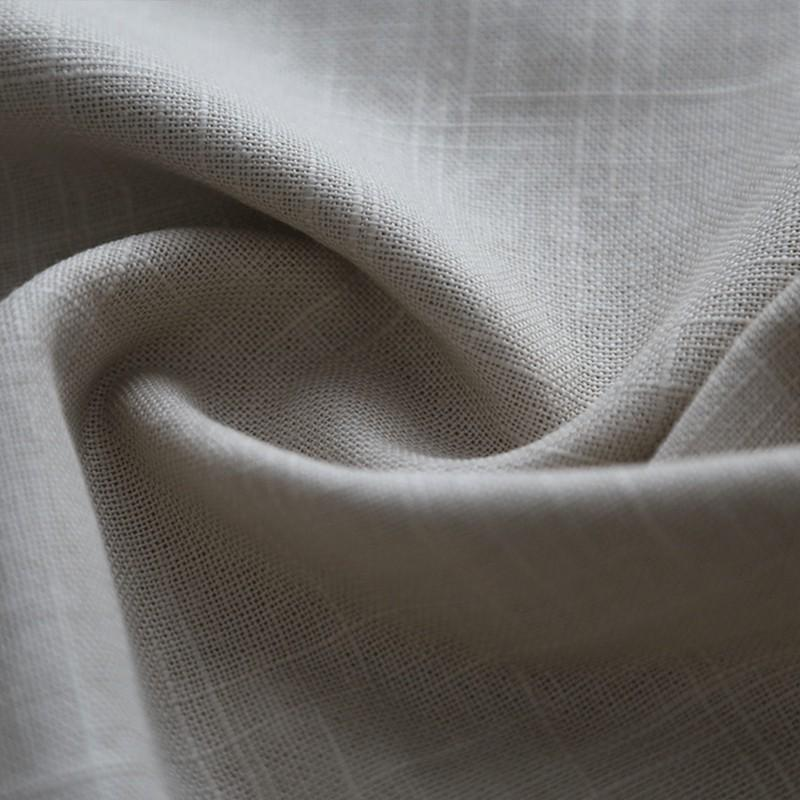
Linen texture is increasingly valued as part of the design language
The inherent texture of linen is becoming a key design element rather than a limitation. Wrinkles, slubs, and slight irregularities are now intentionally preserved to highlight the authenticity of the fabric. Finishing techniques such as garment washing and enzyme treatments are used to enhance softness while maintaining a natural appearance. This focus on texture supports a broader industry trend that favors materials with visible character over overly processed surfaces. As a result, linen garments are perceived as more genuine and closer to the raw qualities of the fiber itself.
Linen feminine silhouettes broaden product diversity
In addition to tailored and unisex styles, linen is increasingly used in more feminine silhouettes. Flowy dresses, wrap styles, and softly draped pieces are becoming more prominent in seasonal collections. These designs introduce movement and lightness, which balance the slightly crisp hand feel of linen. By expanding into these categories, linen is able to reach a wider consumer base and adapt to different styling preferences. This diversification also provides brands with more opportunities to develop product lines that go beyond basic essentials.
Linen sustainability supports long-term market relevance
Sustainability continues to influence material selection, and linen remains one of the more favorable options in this regard. Derived from the flax plant, linen requires relatively less water and fewer chemical inputs compared to many other fibers. It is also biodegradable, which contributes to its appeal among environmentally conscious consumers. As transparency becomes more important in the supply chain, brands are placing greater emphasis on communicating the origin and processing of linen fabrics. This not only enhances product value but also strengthens brand positioning in a competitive market.
Conclusion
Overall, linen clothing in summer 2026 reflects a combination of practicality, subtle design evolution, and environmental awareness. Its transition from a niche seasonal fabric to a broader lifestyle staple highlights its adaptability and continued relevance. As fashion moves toward more responsible and versatile solutions, linen is expected to maintain its position as a key material in both design and production.
Post time: Mar-23-2026


