In recent years, eco-friendly streetwear has emerged as a growing trend in global markets, driven by an increased focus on sustainability, consumer demand for ethical fashion, and the influence of environmental activism. This shift reflects broader societal changes toward eco-consciousness, with consumers increasingly aligning their purchasing decisions with their values. This article delves into the key factors driving the rise of eco streetwear, explores the growing demand for sustainable fashion, and examines how the streetwear industry is adapting to this movement.
1.The Rise of Conscious Consumerism and the Impact on Eco Streetwear
One of the primary drivers behind the growing popularity of eco streetwear is the rise of conscious consumerism. Over the past decade, consumers have become more aware of the environmental and social impact of their purchasing decisions. According to recent studies, an increasing number of shoppers are prioritizing sustainability over fast fashion. As a result, brands are being pressured to take a stand on ethical production, the use of sustainable materials, and reducing waste in their manufacturing processes.
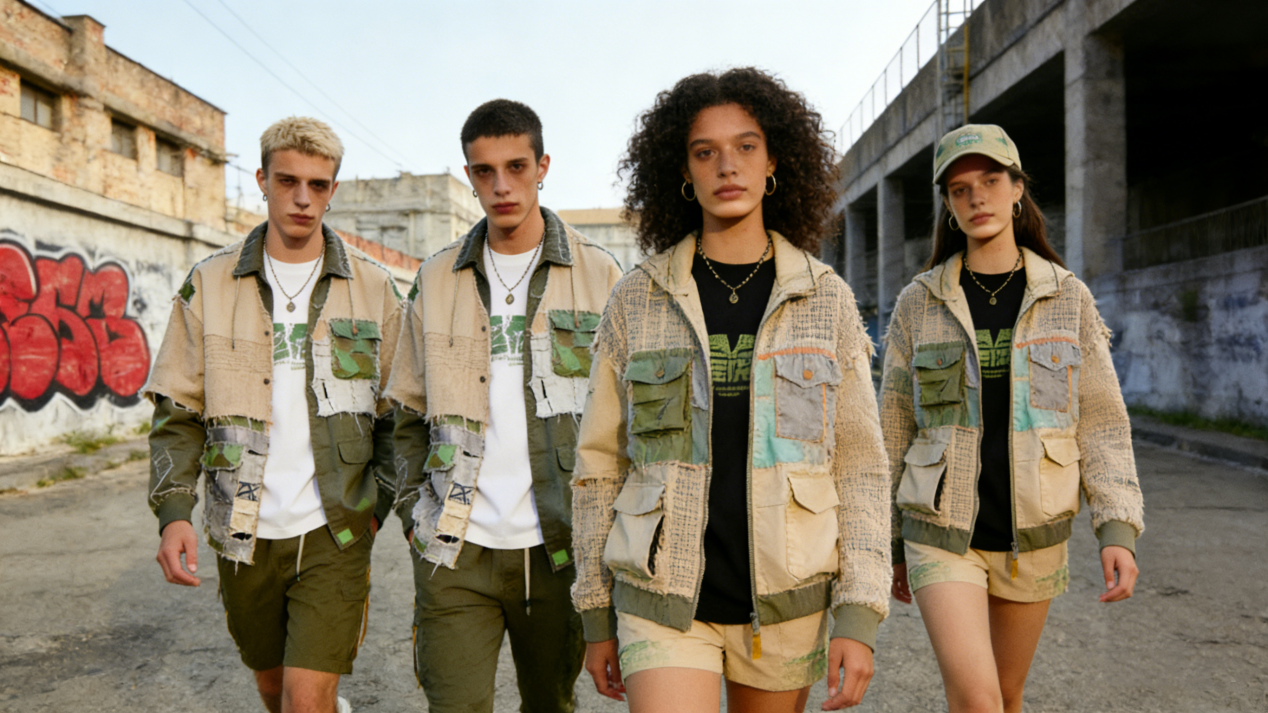
Eco streetwear brands are tapping into this shift by offering products made from organic cotton, recycled polyester, and other environmentally friendly fabrics. These materials not only help reduce the carbon footprint of clothing production but also align with the values of environmentally conscious consumers.
2.How the Streetwear Community is Embracing Eco Streetwear Trends
Streetwear culture, historically known for its association with urban youth, has been undergoing a transformation. Once perceived as simply a fashion statement, streetwear is increasingly becoming a platform for expressing personal beliefs, including environmental consciousness. Streetwear enthusiasts are now seeking out brands that reflect their values and promote sustainability.
This movement is further amplified by influencers and celebrities who are using their platforms to advocate for eco-friendly fashion. For example, renowned figures like Pharrell Williams, Stella McCartney, and even brands like Patagonia have been championing sustainable practices within the fashion industry, including streetwear. As these figures embrace eco-conscious designs, they influence a large number of streetwear fans to reconsider their fashion choices.
3.Eco Streetwear: The Appeal to Gen Z and Millennials
Another crucial factor behind the growth of eco streetwear is the demand from younger generations, particularly Gen Z and Millennials, who are known for their strong commitment to environmental issues. These generations are not just passive consumers; they are activists who demand transparency and ethical practices from the brands they support.
In fact, Gen Z is leading the charge when it comes to sustainable fashion, with studies showing that this generation is more likely to purchase from brands that prioritize eco-friendly materials and ethical production methods. As streetwear is predominantly favored by younger consumers, it’s no surprise that the movement toward sustainability has permeated this space. Brands like Pangaia, Veja, and Allbirds are leading the way in offering stylish streetwear made from sustainable resources that appeal to eco-conscious consumers.
4.Innovative Materials Driving the Growth of Eco Streetwear
Innovation in materials and manufacturing processes is playing a significant role in the growth of eco streetwear. Technological advancements in fabric production, such as the use of biodegradable textiles, plant-based dyes, and waterless dyeing techniques, are helping to reduce the environmental impact of clothing production.
One such example is the use of recycled ocean plastics in clothing. Brands like Adidas and Reebok have created sneakers and apparel lines made from ocean-bound plastic, significantly reducing the environmental impact of the fashion industry. As eco-friendly innovations continue to evolve, more streetwear brands will integrate these technologies into their products, appealing to consumers who want to make a positive environmental impact with their purchases.
5.Challenges Facing Eco Streetwear Brands in a Competitive Market
While the rise of eco streetwear is exciting, it also comes with challenges. Sustainable materials often come at a higher production cost, which can lead to higher prices for consumers. This price barrier can limit the accessibility of eco streetwear to certain market segments.
Additionally, there’s still a significant gap in educating consumers about the true impact of their fashion choices. While many streetwear brands claim to be eco-friendly, some still engage in “greenwashing” — marketing their products as more sustainable than they are. As the market for eco streetwear grows, brands will need to be transparent and authentic in their sustainability efforts to maintain consumer trust.
6.The Future of Eco Streetwear: A More Sustainable Fashion Industry
The future of eco streetwear looks promising, as sustainability continues to become a priority for both consumers and brands. Industry experts predict that eco-friendly fashion will become the norm rather than the exception. As consumer demand for sustainable products increases, it is expected that more streetwear brands will adopt sustainable practices and innovate with environmentally friendly materials.
Moreover, the growing availability of sustainable alternatives and more efficient production techniques means that eco streetwear will become more affordable and accessible to a wider range of consumers. Over time, the eco-conscious trend in streetwear will likely expand to encompass more elements of fashion, including accessories, footwear, and even tech-integrated garments, which combine style with sustainability.
Conclusion: Eco Streetwear Leading the Charge for Fashion’s Sustainable Future
Eco streetwear is no longer just a niche market; it has become a powerful global trend. With the growing demand for ethical, sustainable products and the increasing pressure from environmentally conscious consumers, eco streetwear brands are positioning themselves as key players in the fashion industry. The continued growth of this market will depend on innovation, transparency, and collaboration among brands, consumers, and environmental organizations. As the movement gains momentum, eco streetwear is poised to lead the way toward a more sustainable, responsible, and stylish future.
Post time: Dec-29-2025


