1. The Rising Need for Precision in Modern Fittings and Pattern Development
In the contemporary fashion landscape, expectations for precision have grown sharper than ever. Consumers are no longer satisfied with clothing that simply looks appealing on a hanger—they want garments that complement their bodies, support natural movement, and reflect personal style. From bespoke tailoring houses to couture ateliers, the industry increasingly recognizes that a well-fitted garment is both a technical and aesthetic achievement.Because body proportions vary dramatically from person to person, relying solely on a standard measurement chart is far from sufficient. Multiple fittings allow professionals to refine details that cannot be predicted during the initial pattern drafting stage. These sessions help correct subtle imbalances, adjust silhouettes, and ensure the garment settles naturally on the body instead of following an abstract set of numbers.
2. Understanding Body Complexity Through Fittings and Pattern Customization
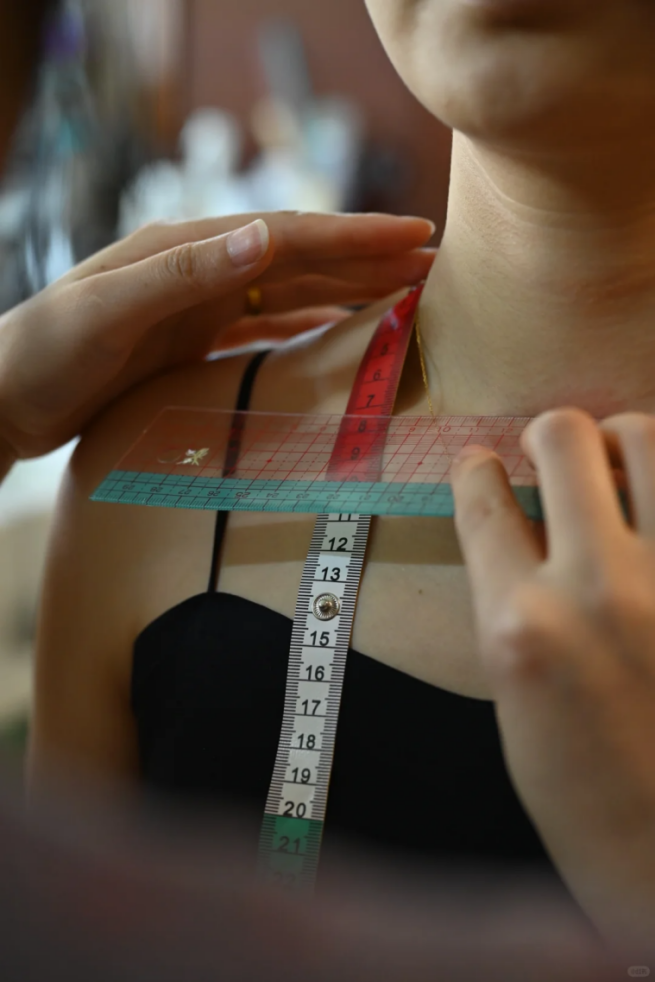
A tape measure can record numbers, but it cannot tell the full story of a person’s body. Posture, shoulder slopes, muscle distribution, and daily habits all influence how a garment behaves once worn. Two individuals with identical measurements may still require completely different shaping.
During fittings, pattern makers can observe details that numbers alone cannot reveal. A rotated hip, rounded shoulders, or uneven muscle development—often caused by long-term work habits—may all affect the fit. These nuances only emerge when the garment is tested in real time. This is the stage where many of the most essential pattern adjustments are made, determining whether the final piece feels natural or restrictive.
3. How Fittings and Pattern Adjustments Respond to Fabric Behavior
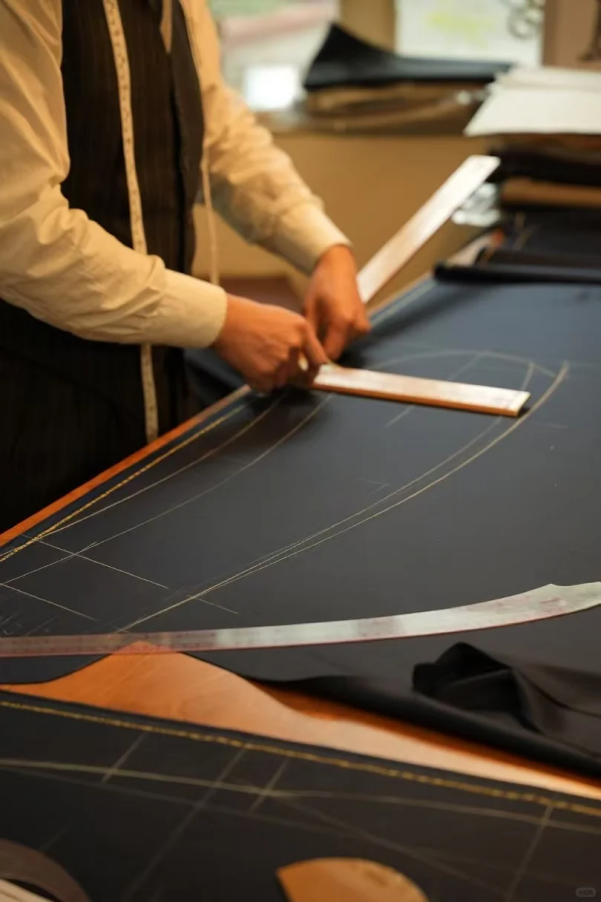
Patterns provide structure, but fabric brings personality—and every fabric behaves differently once worn. Materials react to body heat, movement, and steam in ways that cannot be fully predicted during drafting.
Silk may cling and shift more than expected, while wool often relaxes after pressing, subtly affecting the garment’s drape. Structured materials like heavy satin or brocade may create tension in areas that require mobility. Through multiple fittings, craftsmen study these fabric behaviors and adjust patterns accordingly. Repositioning seams, redistributing ease, or refining shaping helps ensure the garment aligns with the fabric’s natural characteristics.
4. Achieving Symmetry and Balance With Repeated Fittings and Pattern Refinement
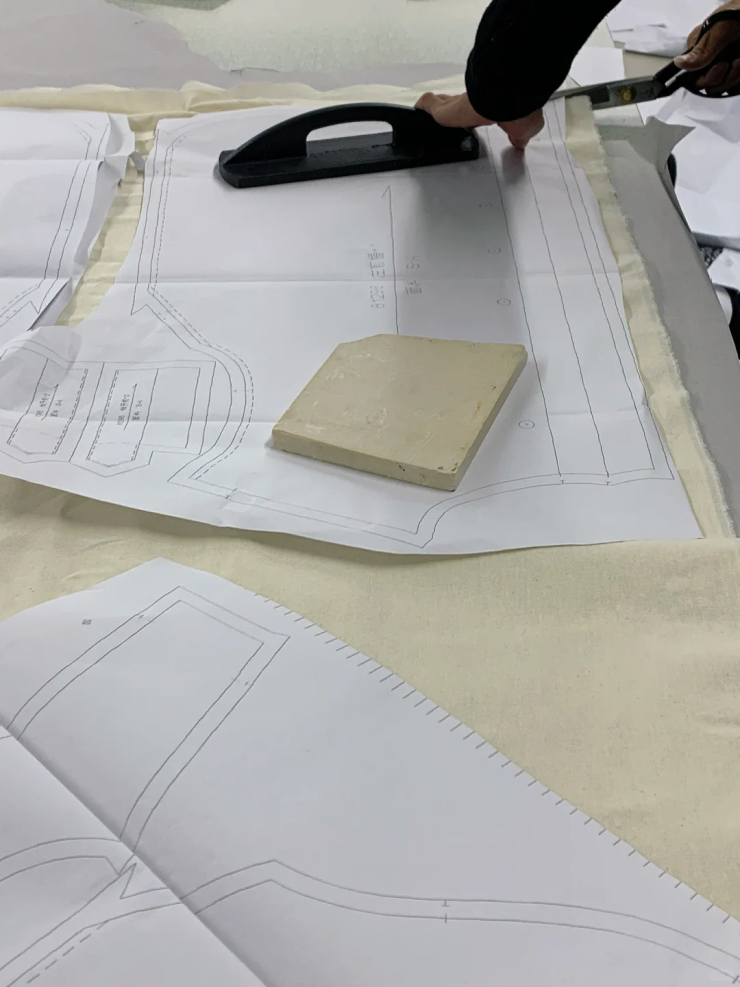
Perfect symmetry looks effortless on a finished garment, but it is seldom simple to achieve. The human body is naturally asymmetrical—shoulders differ in height, hips tilt, and spines curve. These variations become visible the moment the garment is worn, often showing hems that angle or necklines that pull subtly to one side.
Through a series of fittings and pattern refinements, artisans gradually rebalance the garment so the final piece appears clean, harmonious, and professionally crafted. This is especially critical for structured garments and formalwear, where even slight visual imbalances can influence the overall appearance.
5. Enhancing Comfort and Movement Through Fittings and Pattern Corrections
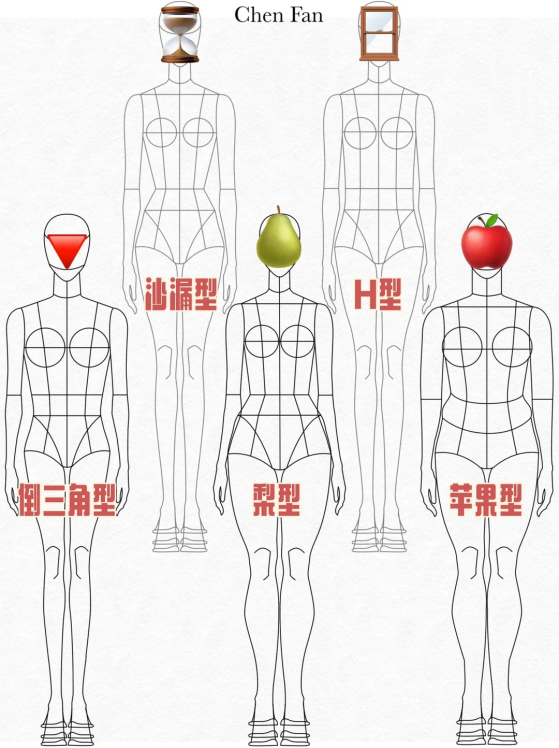
A garment that looks flawless but restricts movement cannot be considered truly well-made. During fittings, wearers are encouraged to sit, bend, raise their arms, and perform natural movements. These actions reveal tension points or areas that restrict mobility—issues that may not appear when standing still.
Pattern makers use this feedback to reshape sleeve caps, modify armholes, or adjust back widths. This phase often marks the difference between a standard garment and a high-quality one. The goal is not only precision in measurement but also fluid comfort and wearability.
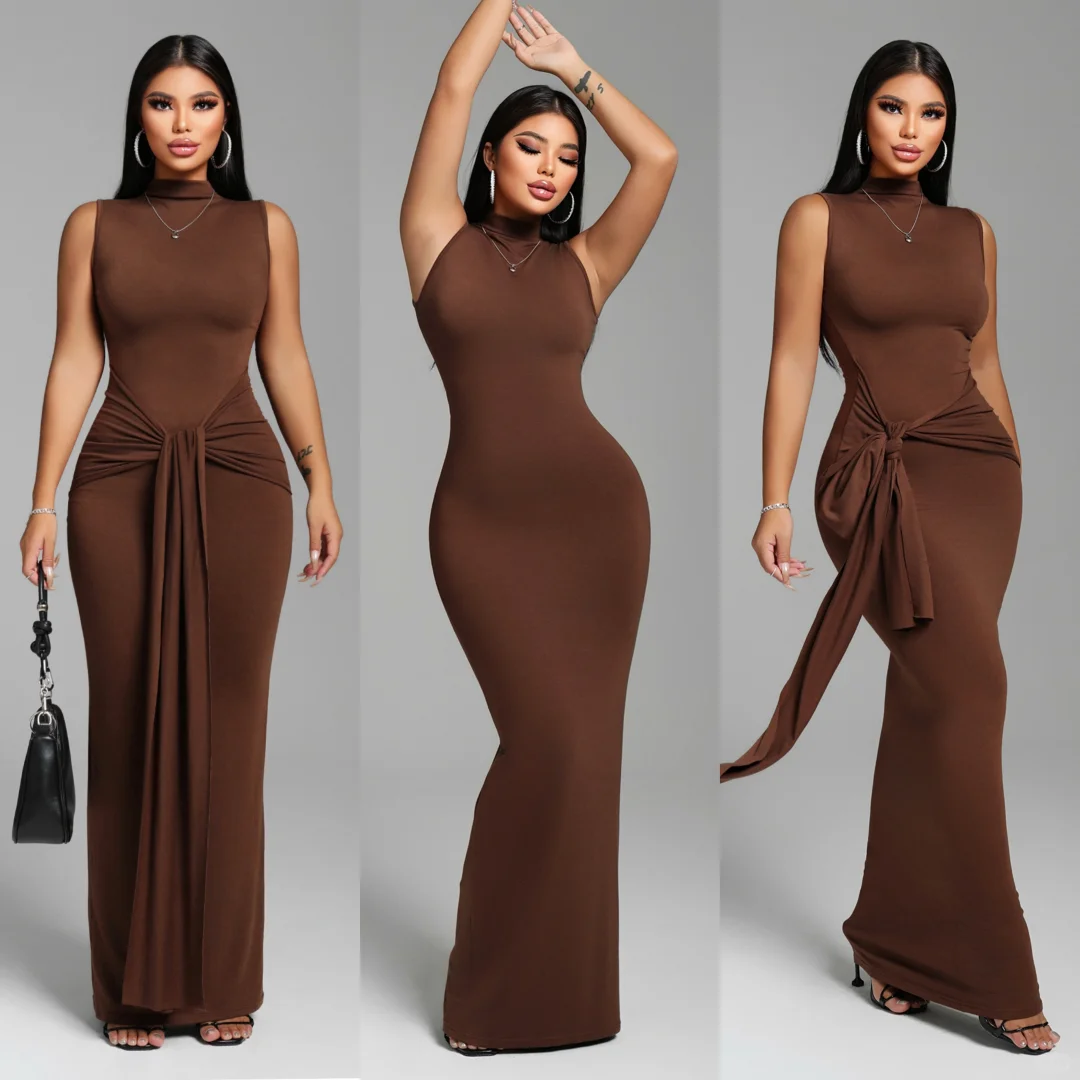
6. Craftsmanship and Trust Built Through Personalized Fittings and Pattern Work
Multiple fittings are also a symbol of professional responsibility. Every adjustment reflects the maker’s commitment to delivering a garment that aligns with the client’s expectations. In many renowned ateliers, these sessions are integral to their identity—a chance for clients to witness the craftsmanship behind the scenes.
This transparent process builds trust. Clients see the value of artisanal work not through promises, but through the meticulous corrections made during each fitting. It is a level of personalization that mass production simply cannot offer.
Conclusion: Precision in Fittings and Pattern Adjustments Defines Quality
Multiple fittings and pattern adjustments are not signs of imperfection; they are essential steps in creating garments that truly belong to the wearer. Bodies are unique, fabrics are unpredictable, and achieving balance requires thoughtful refinement. Each fitting brings the garment closer to visual and functional harmony.
In an era where individuality and craftsmanship are increasingly valued, this deliberate, detail-oriented process remains the foundation of high-quality garment making.
Post time: Dec-04-2025


