As the global apparel industry enters 2026, buyers are becoming more selective about the products they invest in. Fashion trends may change quickly, but demand for versatile, reliable garments remains strong. Among all apparel categories, polos continue to stand out as a product with long-term global appeal. Once viewed as a basic or uniform-style item, polos have evolved into a core product for brands serving multiple markets. Their balance of comfort, style, and commercial practicality explains why global buyers are paying closer attention to polos in 2026.
Polos Meet the Growing Demand for Versatile Everyday Apparel
One of the main reasons polos appeal to global buyers in 2026 is their versatility. Across regions, consumers are moving away from strictly formal or purely casual clothing. Instead, they prefer garments that work in multiple settings throughout the day. Polos naturally fit this shift.
With a structured collar and clean lines, polos look more refined than standard T-shirts while remaining far more comfortable than dress shirts. This makes them suitable for hybrid work environments, casual offices, travel, and social occasions. For global buyers supplying retailers or corporate clients, polos reduce the need for multiple product categories. A single polo style can serve both lifestyle and workwear purposes, increasing its overall market value.
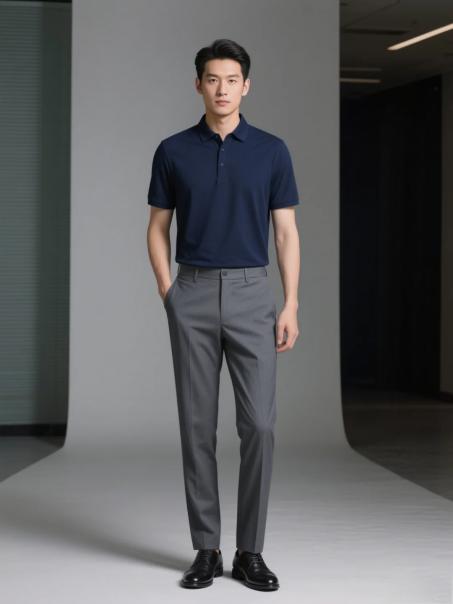
Polos Adapt Easily to Different Global Markets and Tastes
Another reason polos remain attractive to global buyers is their adaptability across regions. While fashion preferences vary widely from one market to another, polos offer a flexible base that can be adjusted without changing the core product.In European markets, buyers often favor polos with slimmer cuts and neutral color palettes. In North America, relaxed fits and performance-focused fabrics are more popular. In Asian and Middle Eastern markets, polos with premium fabrics, subtle detailing, or modest silhouettes tend to perform well. This adaptability allows buyers to customize polos through fabric, fit, or color while keeping production efficient.From a sourcing perspective, this flexibility reduces risk. Global buyers can respond to local trends while maintaining consistent supply chains, making polos a practical choice for international distribution in 2026.
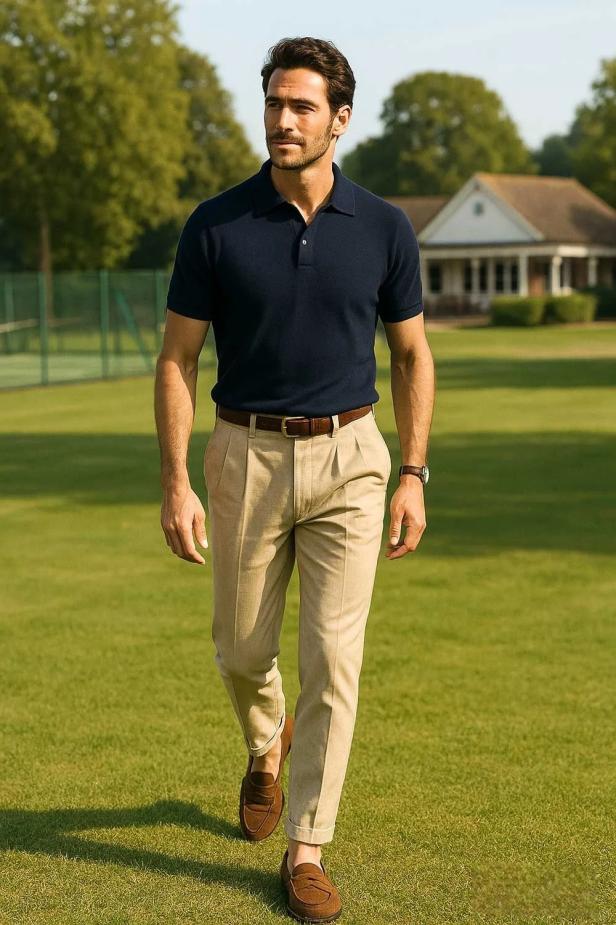
Polos Align With Sustainability and Fabric Innovation Trends
Sustainability is no longer a niche concern—it is a standard expectation. Polos appeal to global buyers because they align well with sustainability goals without sacrificing commercial viability. In 2026, many polos are produced using organic cotton, recycled fibers, or blended fabrics designed for durability.
Unlike trend-driven garments that may only sell for one season, polos are wardrobe staples. Consumers are more likely to wear them repeatedly across different occasions and seasons. This longer product lifespan supports responsible consumption and strengthens the value proposition for buyers focused on sustainable product lines.
At the same time, fabric innovation has elevated the performance of polos. Moisture-wicking, wrinkle-resistant, and breathable materials make polos suitable for warm climates, travel, and active use. These functional upgrades increase their appeal across global markets, particularly where climate and comfort play a major role in purchasing decisions.

Polos Remain a Strong Product for Branding and Bulk Orders
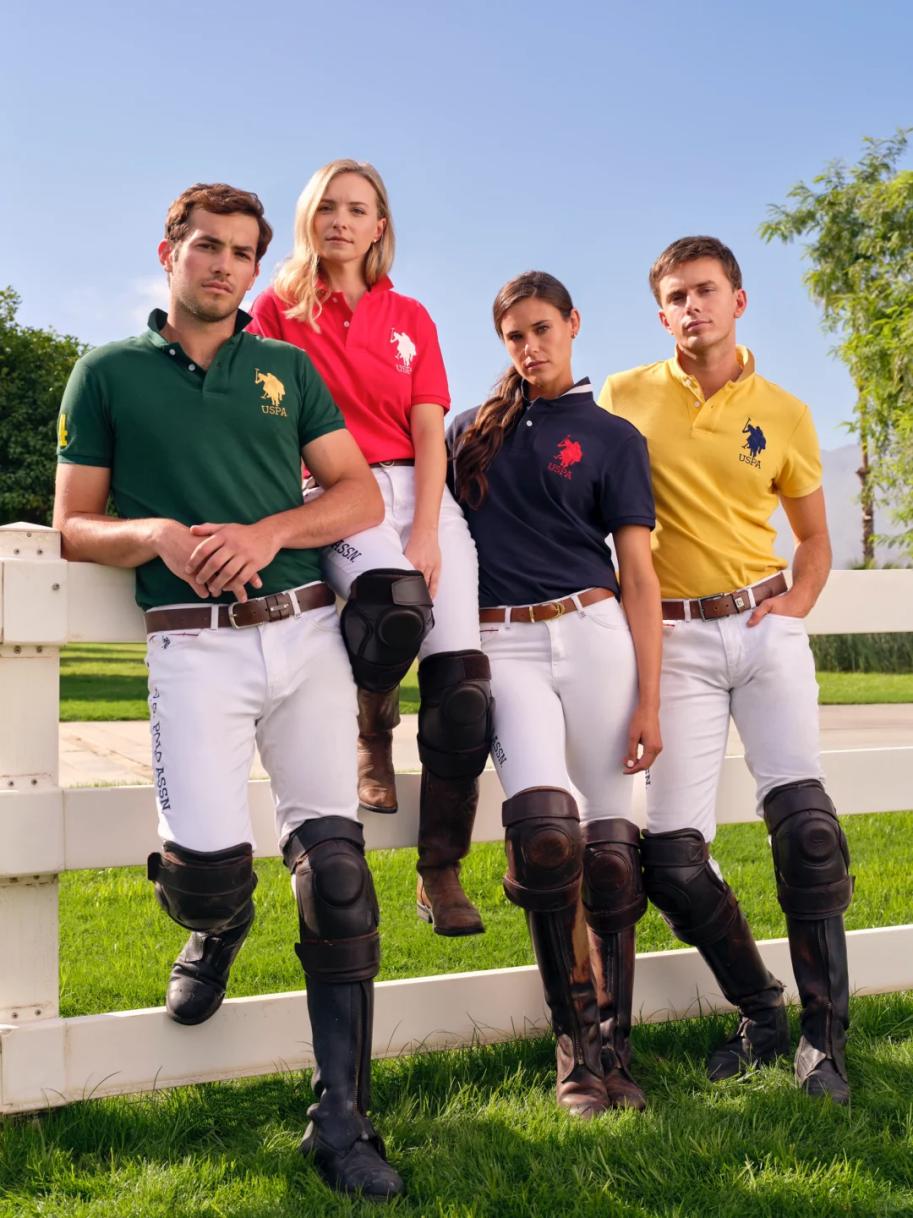
For many global buyers, polos are not just a fashion item but a strategic business product. Their clean design makes them ideal for branding, whether through embroidery, printing, or subtle logo placement. This is why polos continue to dominate categories such as corporate uniforms, promotional apparel, and private-label collections.
From a production standpoint, polos offer stability. Patterns are standardized, sizing is predictable, and quality control is easier compared to more complex garments. This makes polos especially attractive for bulk orders and long-term supply agreements. Buyers can scale orders confidently while maintaining consistent quality.
In addition, polos occupy a strong mid-range price position. They offer higher perceived value than basic T-shirts while remaining accessible to a wide consumer base. This balance allows brands and buyers to protect margins while delivering a product that feels premium and practical.
Conclusion
In 2026, polos continue to prove their relevance in a changing global apparel market. Their versatility, adaptability, and alignment with sustainability trends make them a reliable choice for buyers serving diverse regions. Combined with strong branding potential and efficient production, polos offer both commercial security and long-term value.
As global buyers look for products that can perform across markets, seasons, and consumer lifestyles, polos remain a smart and stable investment. Rather than following short-lived trends, they represent a category built on consistency—one that continues to meet the needs of brands, retailers, and consumers worldwide.
Post time: Jan-17-2026


