The cyclical return of vintage styles is nothing new. However, its impending dominance in 2026 signals a profound shift from being a stylistic option to becoming the foundational grammar of men‘s fashion. This ascendancy is driven by four interconnected layers of change, moving far beyond simple nostalgia.
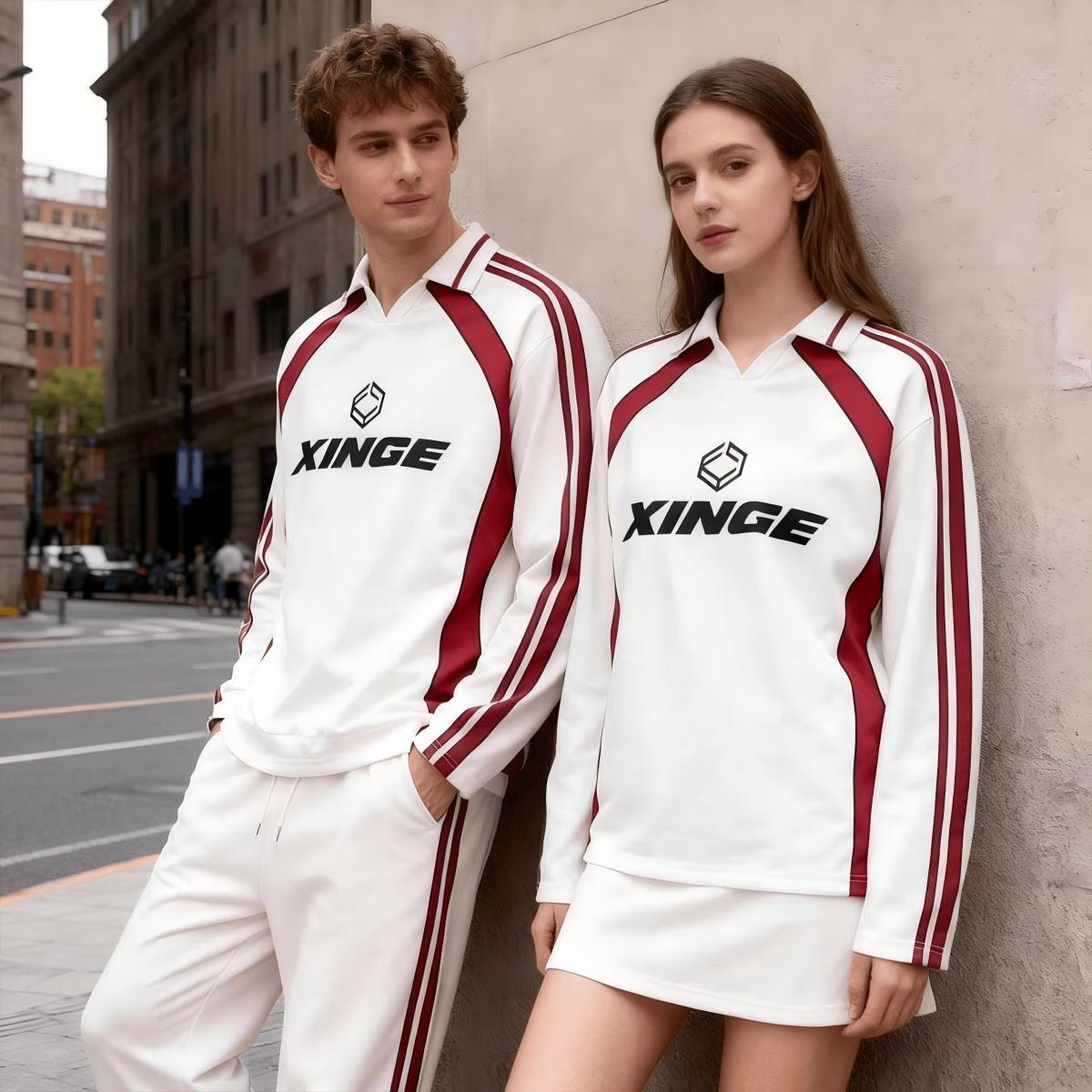
The Psychological Driver – “Tactile Authenticity” in a Digital World
As digital and AI-generated content saturates daily life, physical objects with inherent history become antidotes to virtual overload. Vintage clothing offers ”Tactile Authenticity”—the irreplicable wear, fading, and patina of age that serves as a ”human time stamp.” This craving for ”Analog” Experience transforms a vintage jacket from mere apparel into a cherished artifact, providing a tangible connection to a real past in an increasingly synthetic present.
The Economic & Ethical Driver – The “Anti-Fast Fashion” Imperative
By 2026, conscious consumption will be the baseline. Vintage shopping represents the ultimate expression of Sustainability as Style, operating within a perfect circular economy. Concurrently, in the face of economic flux, men are applying a rigorous Cost-Per-Wear Calculus. Investing in a durable, timeless vintage piece is seen as a smarter, more valuable proposition than purchasing multiple trend-led, disposable items, making vintage both an ethical and economically rational choice.
The Cultural Driver – The Rise of the “Curator” Class
In an age of algorithmic style homogenization, deep knowledge of vintage—identifying a ‘70s workwear detail or an ‘80s designer silhouette—becomes potent Social Currency. Men are evolving from passive consumers into active Curators, building personal archives that signal expertise, individuality, and taste. This shift is fueled by niche online communities where sharing finds and knowledge builds identity and belonging.
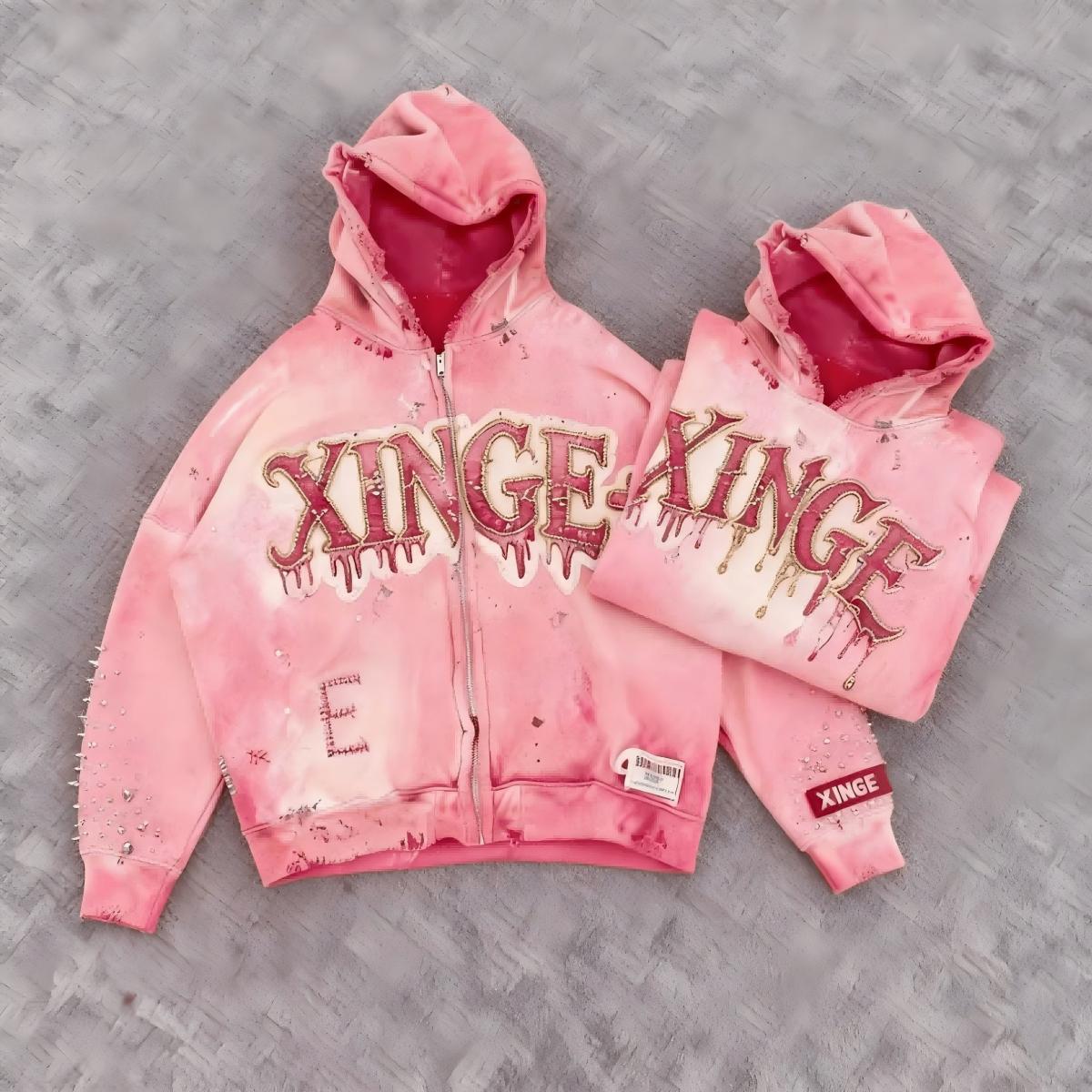
The Industrial Driver – Mainstream Adoption & Hybridization
The industry itself is cementing this dominance. Luxury brands are heavily investing in ”Archive-Reissuing” their own heritage pieces, while high-street labels integrate vintage cuts and details into core lines. Simultaneously, the ”Future-Vintage” Aesthetic emerges, where designers blend eras to create pieces that feel both familiar and novel. This mainstream embrace ensures vintage’s grammar becomes ubiquitous.
Conclusion: Not a Trend, But a New Foundation
By 2026, vintage will not be a passing trend but the new foundation of men‘s style. Its dominance is the result of a perfect storm: a psychological need for authenticity, an economic shift toward value, a cultural move towards curation, and full-scale industrial adoption. It heralds a more thoughtful, expressive, and enduring era in men’s fashion.
Post time: Jan-08-2026


